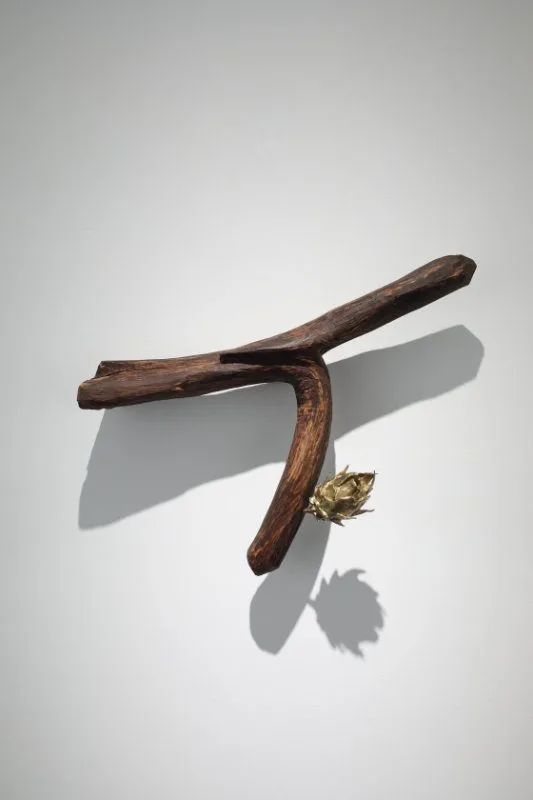
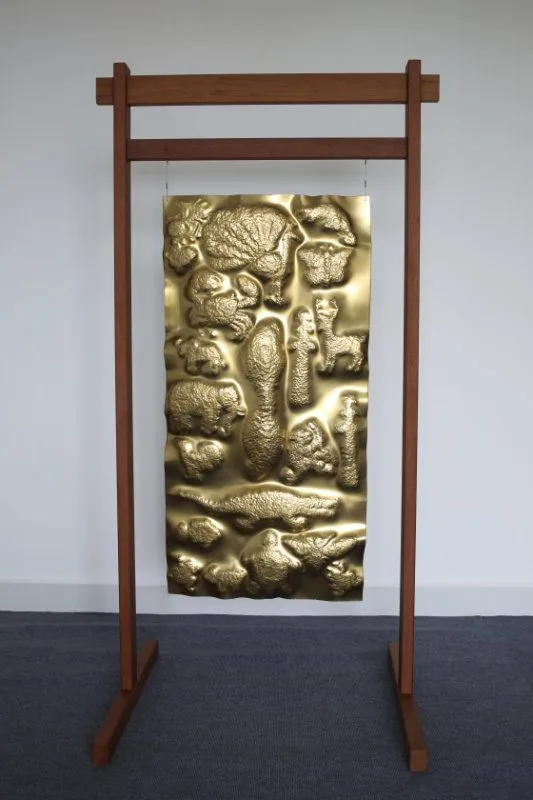
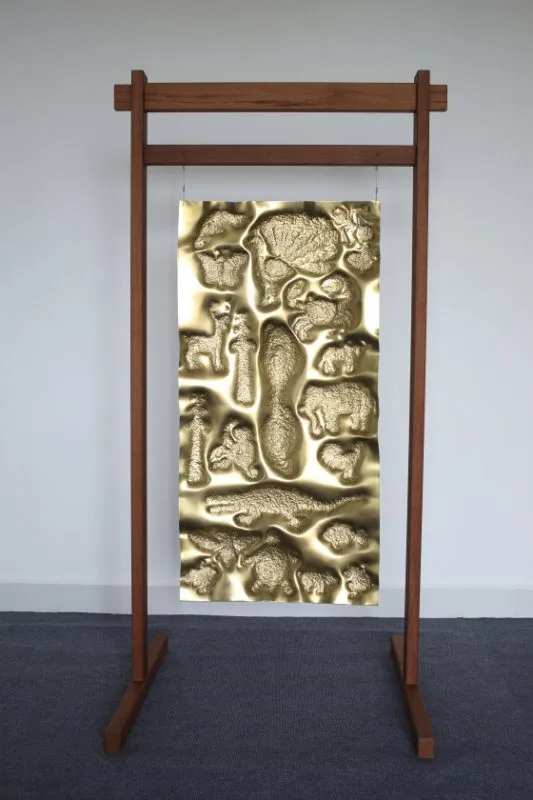
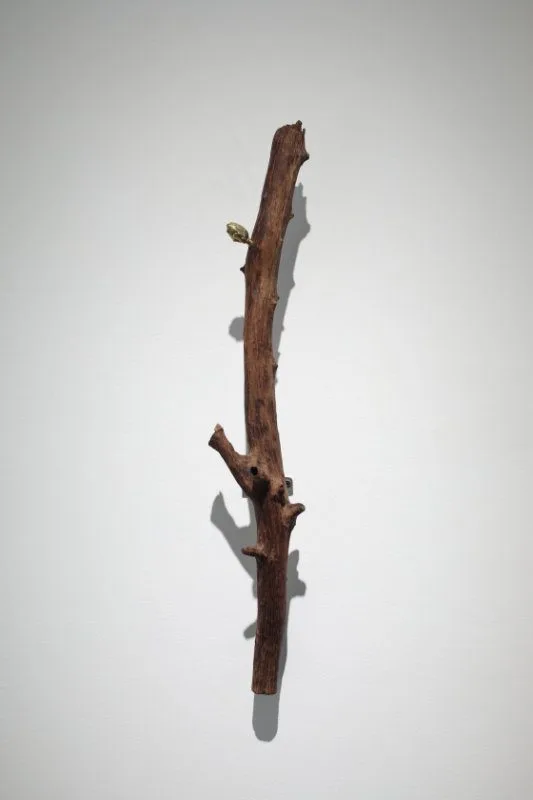
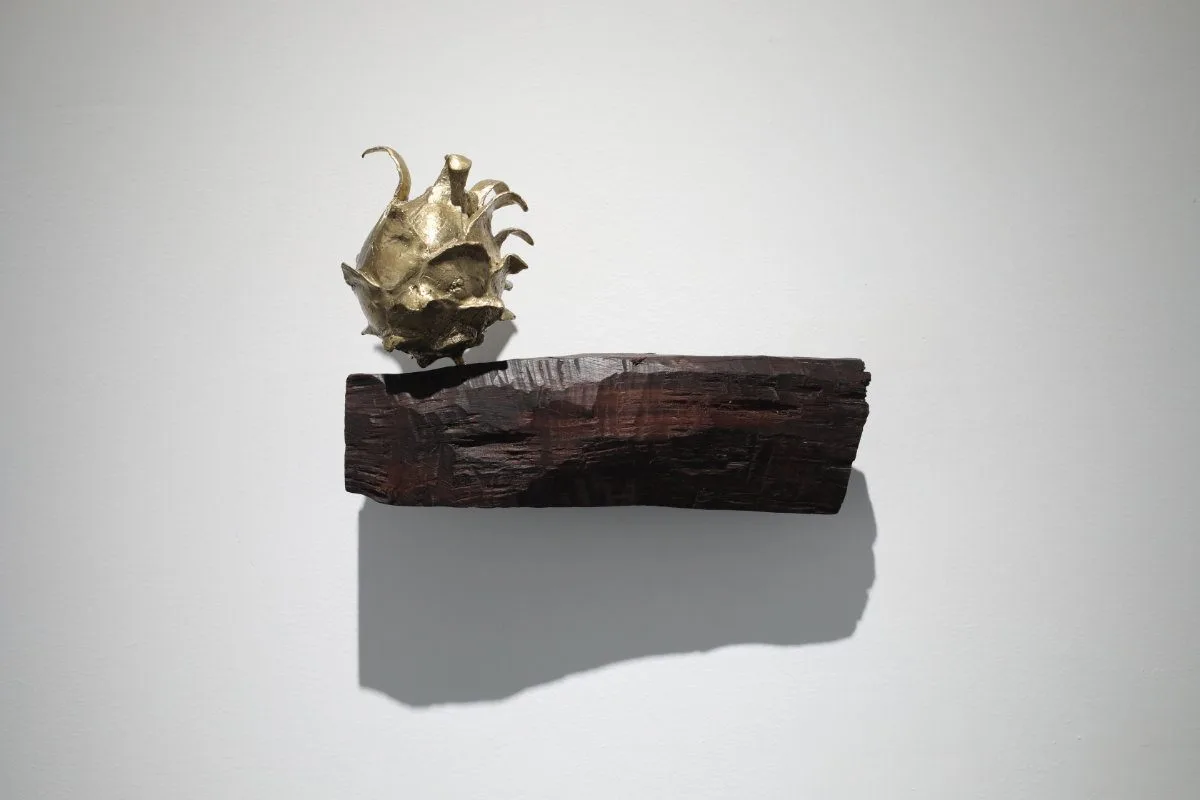


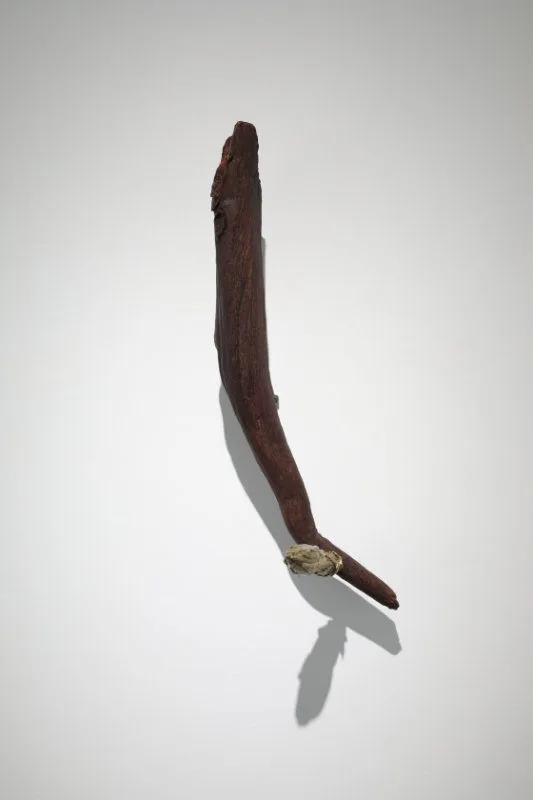
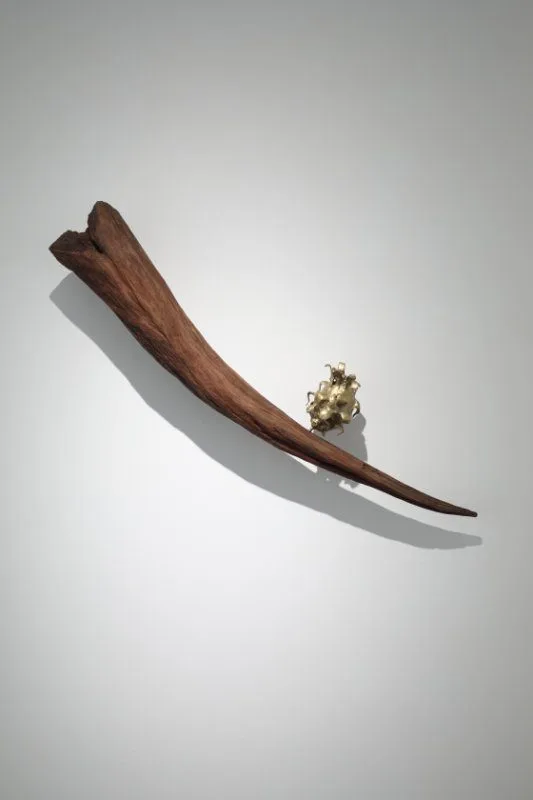


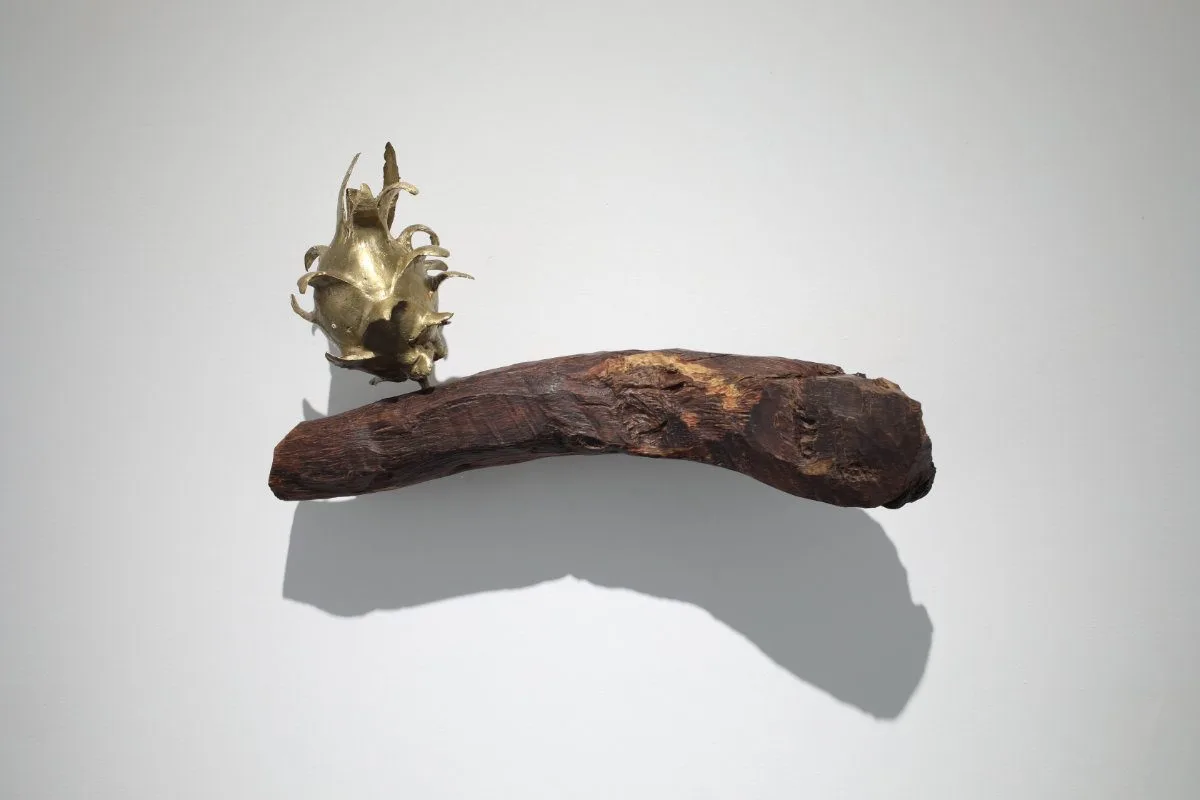


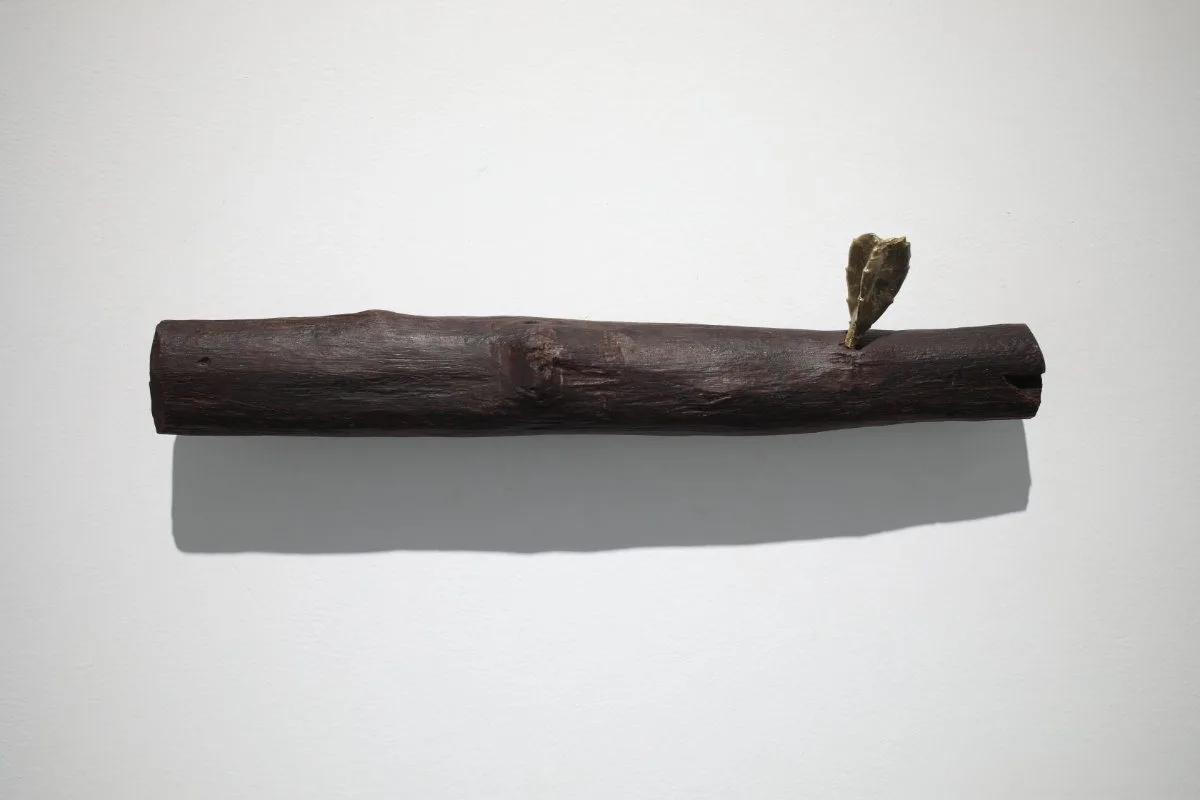
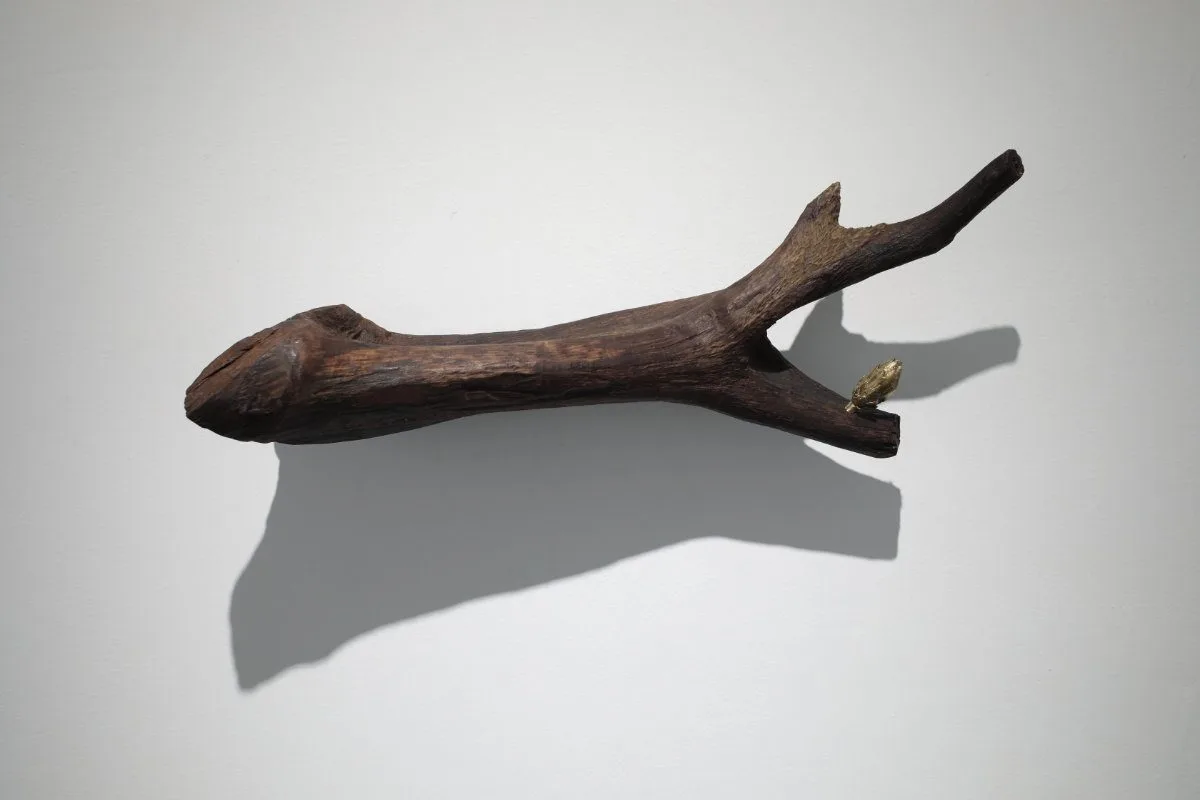
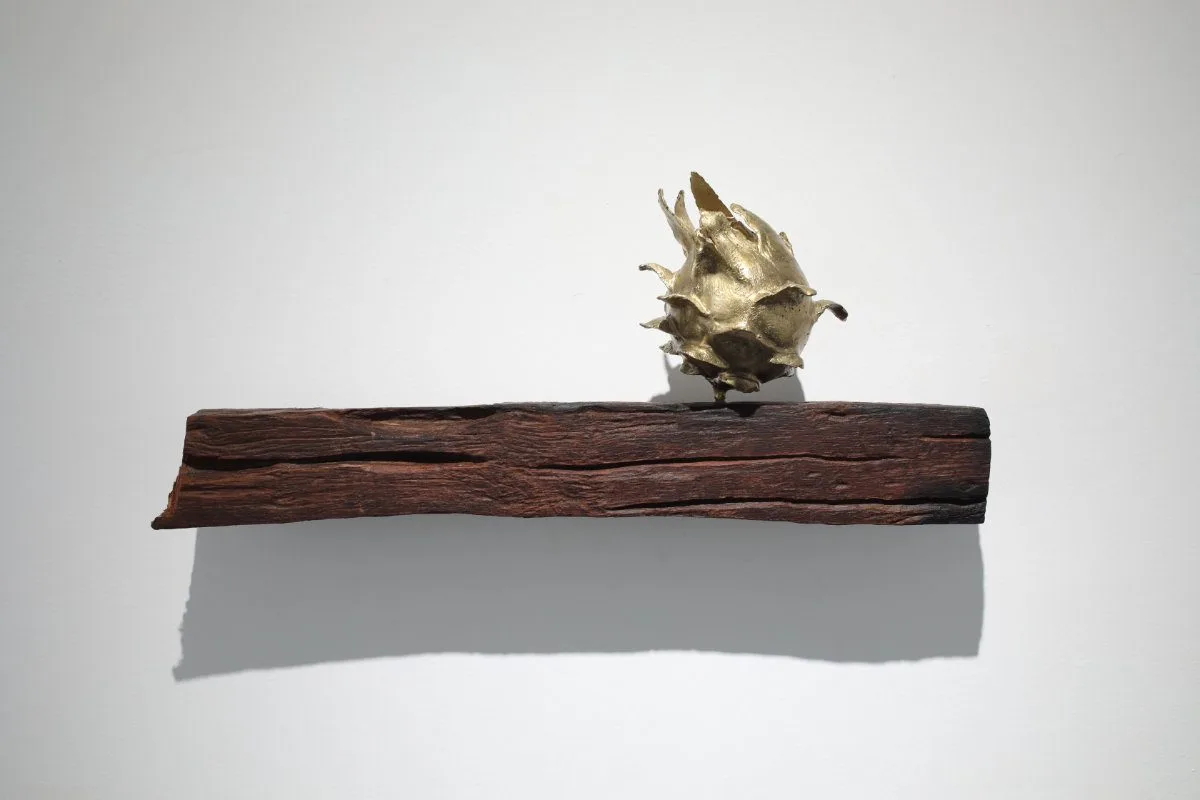
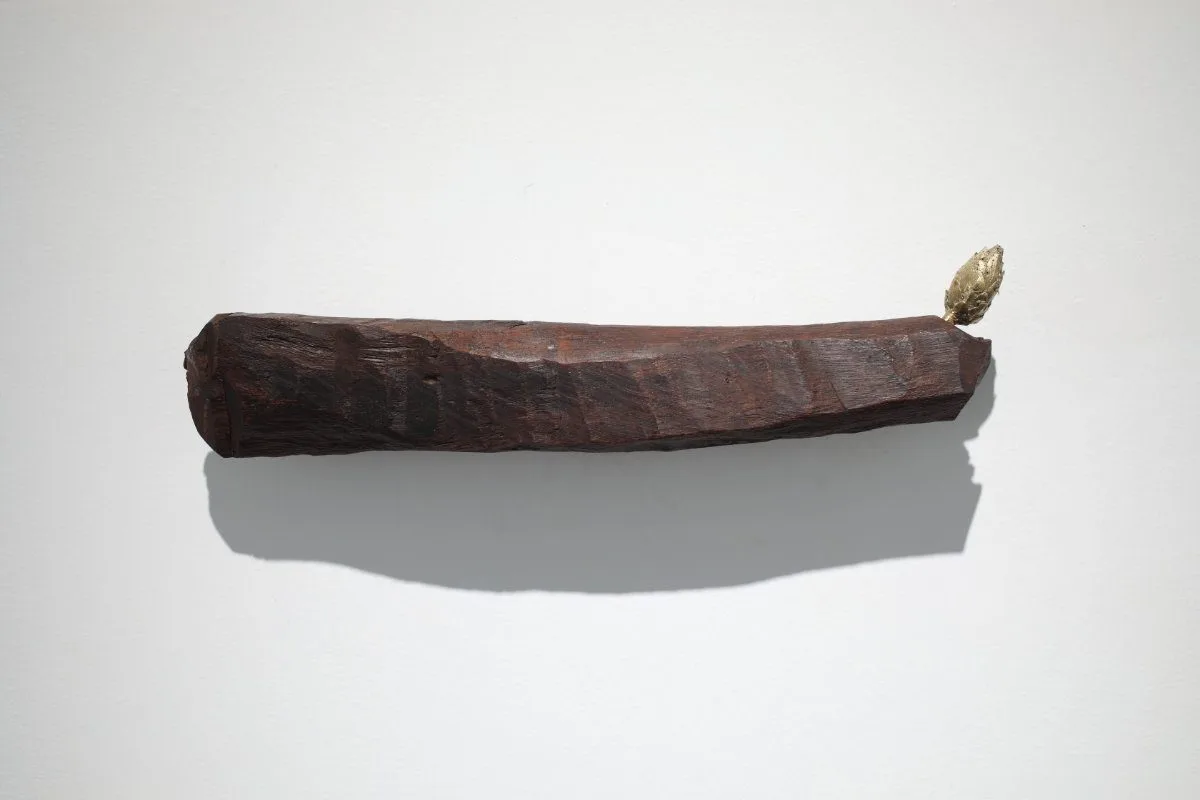


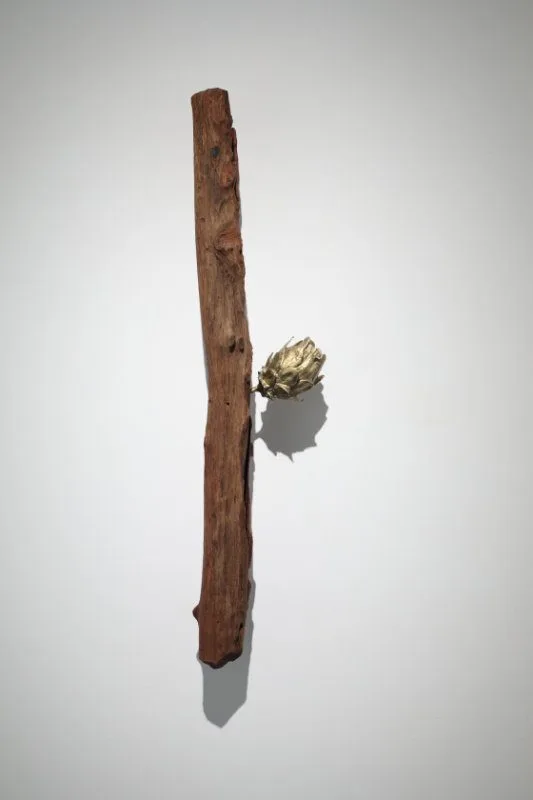
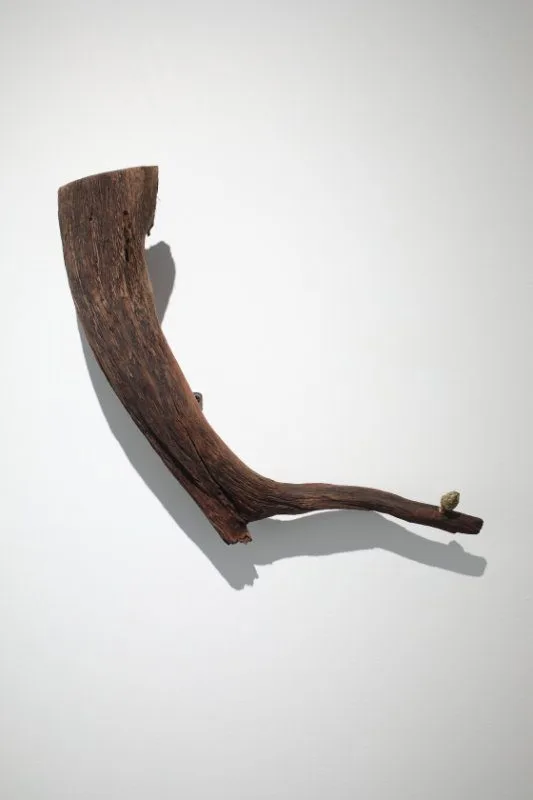

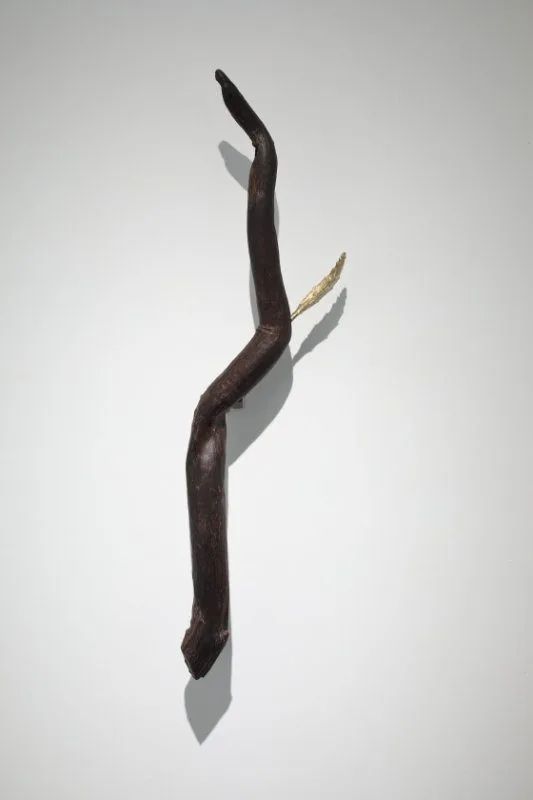

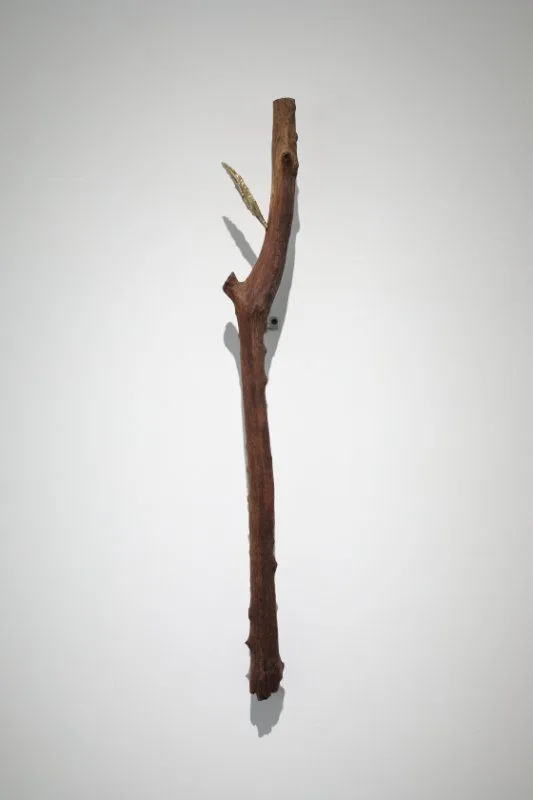

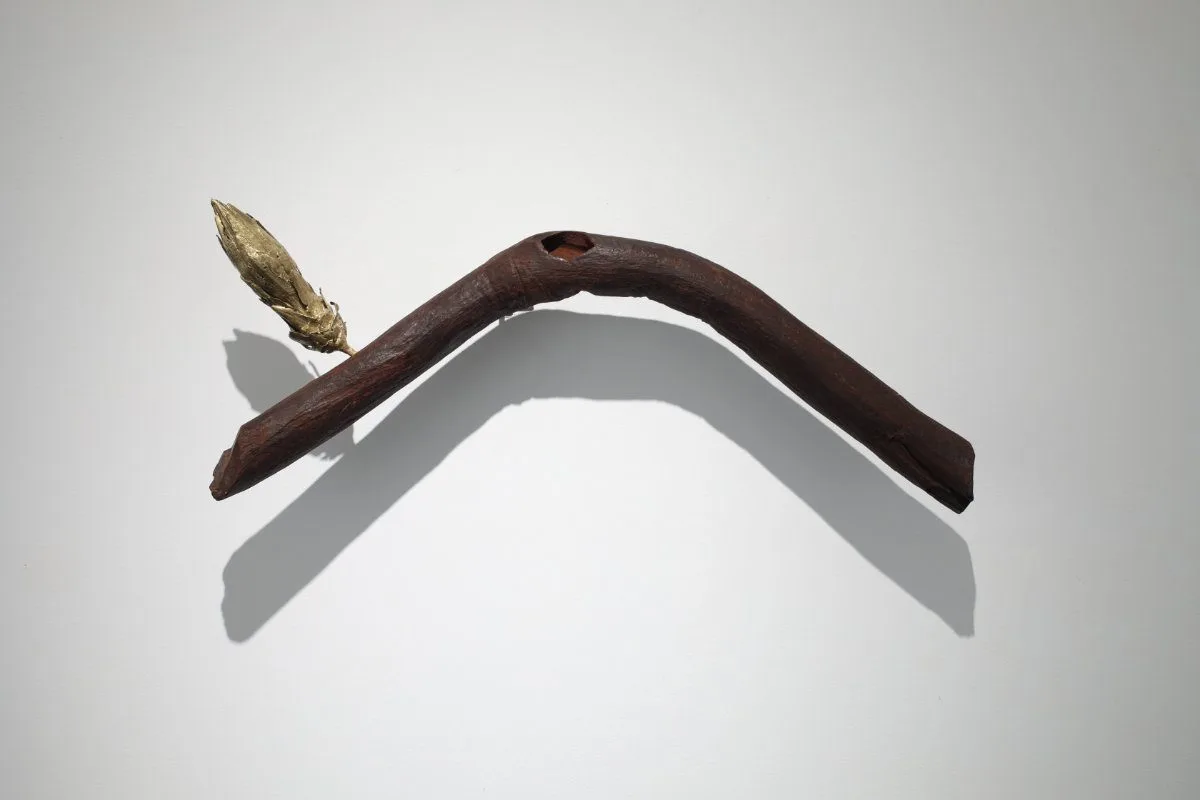
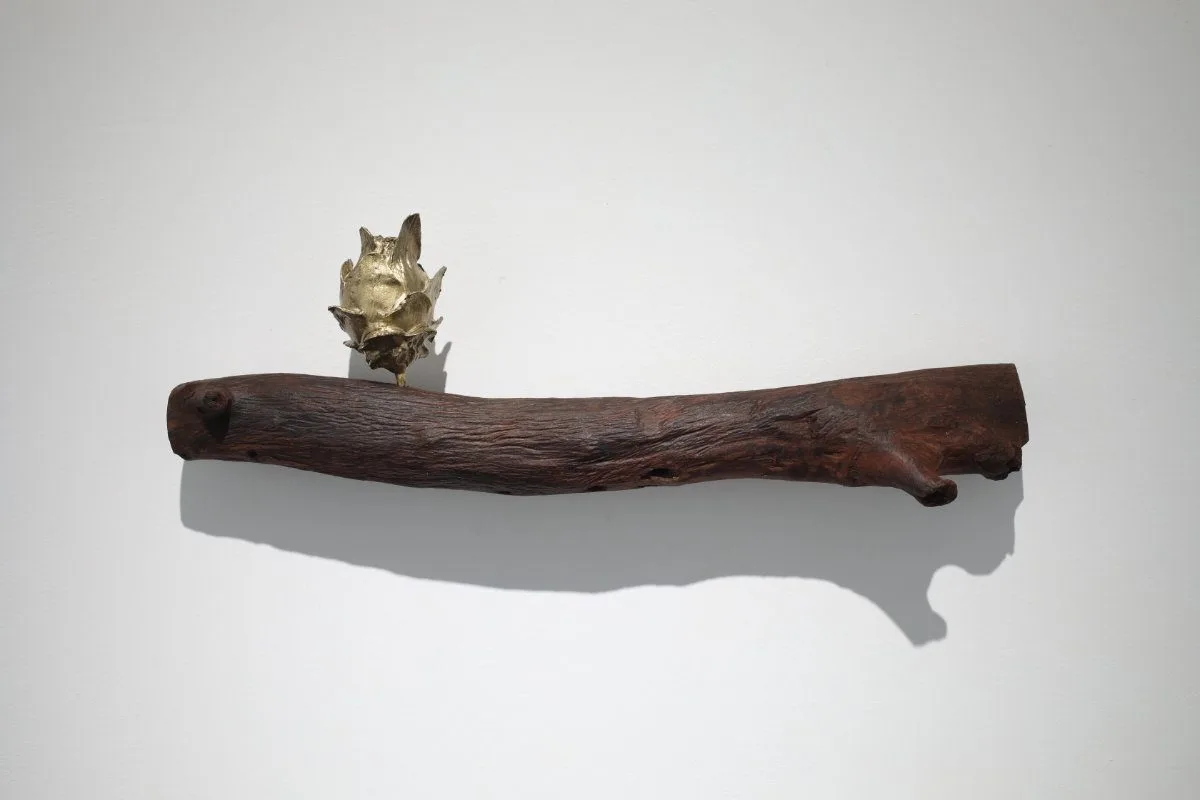

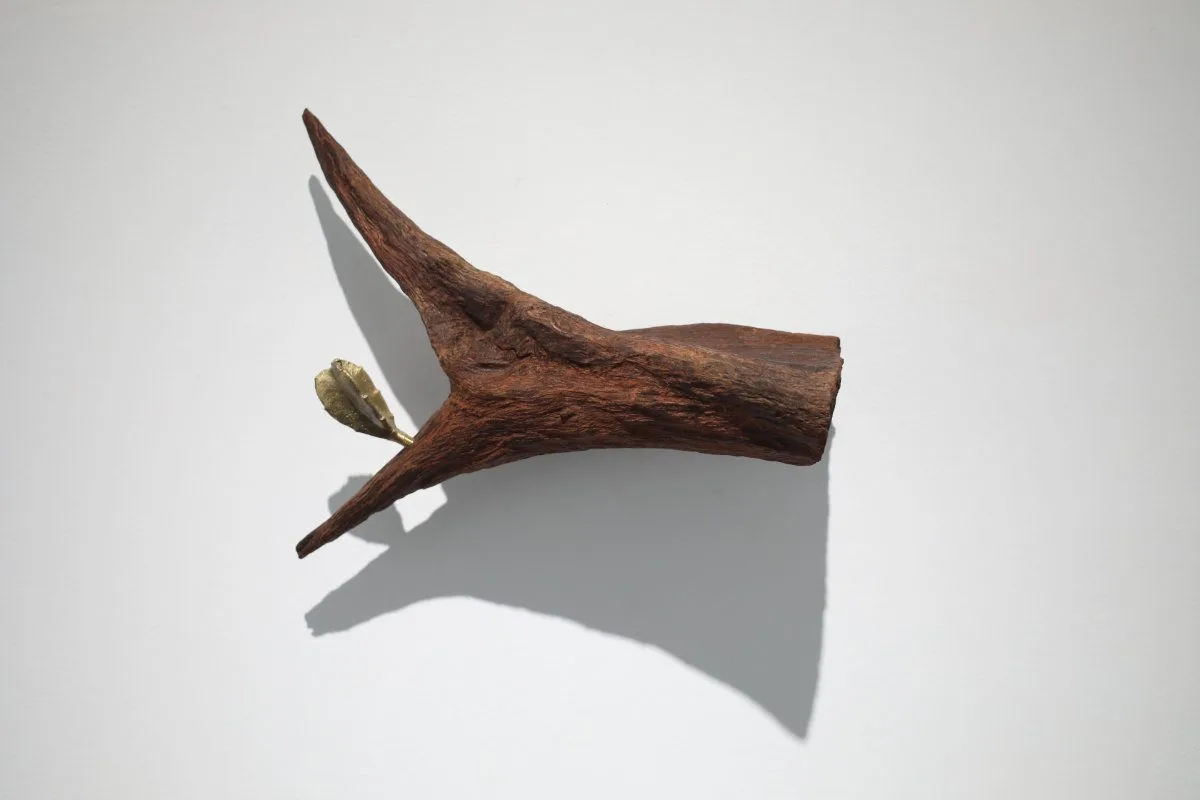
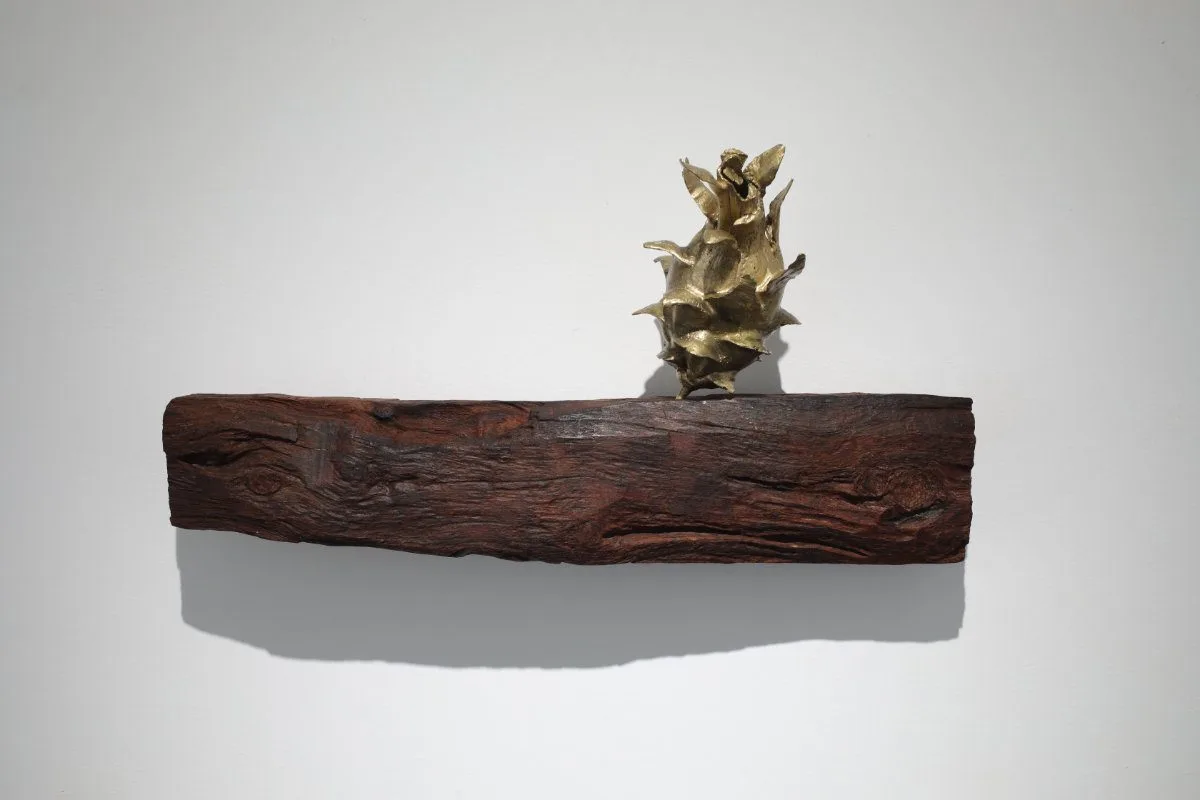

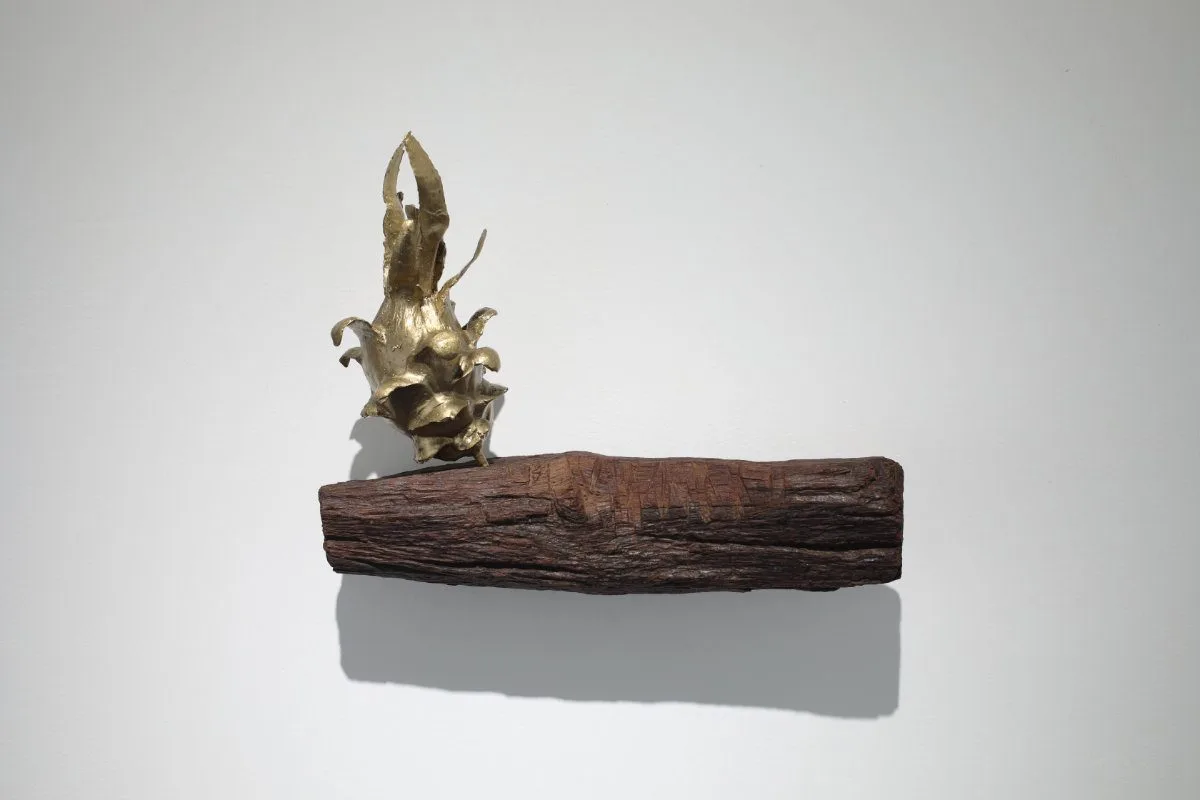
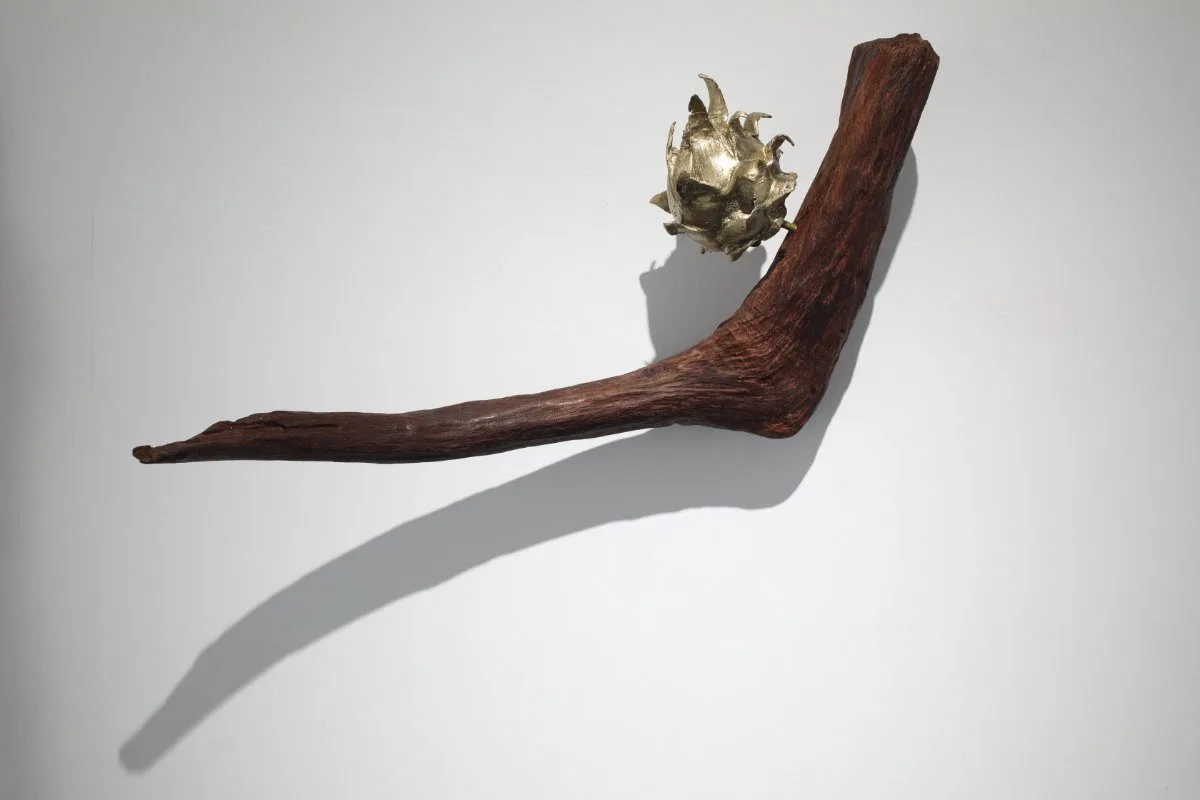


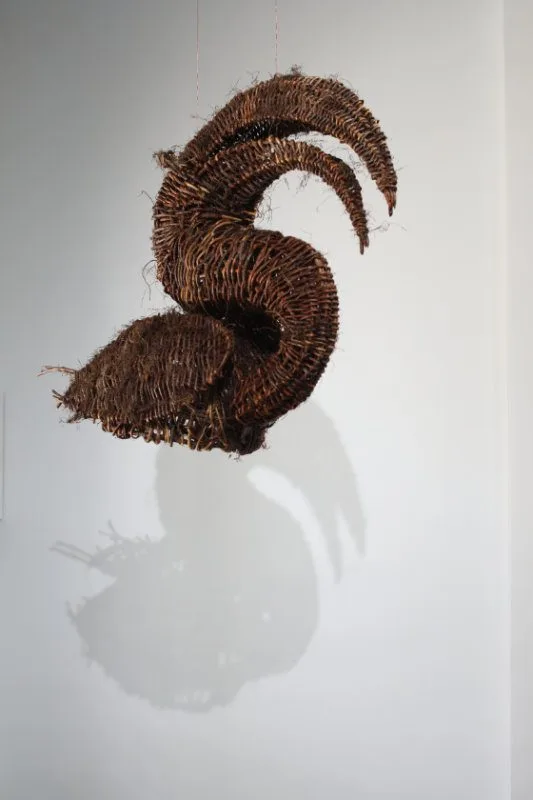

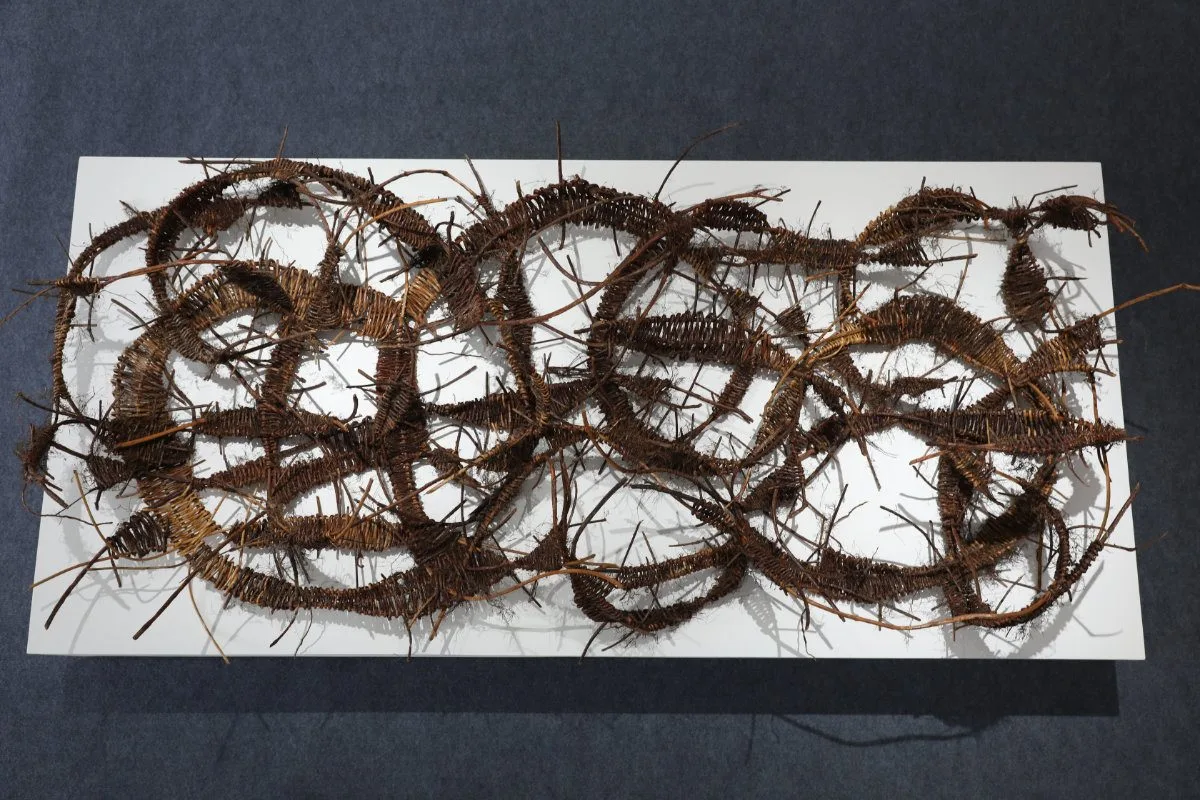


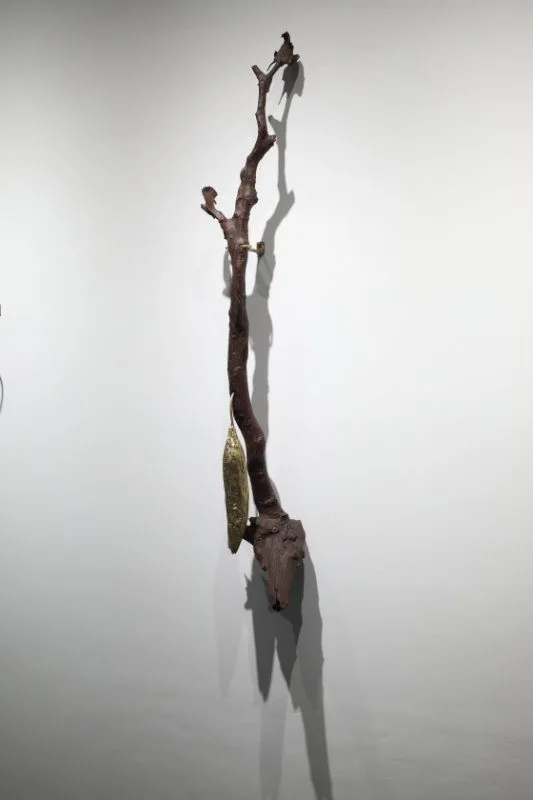


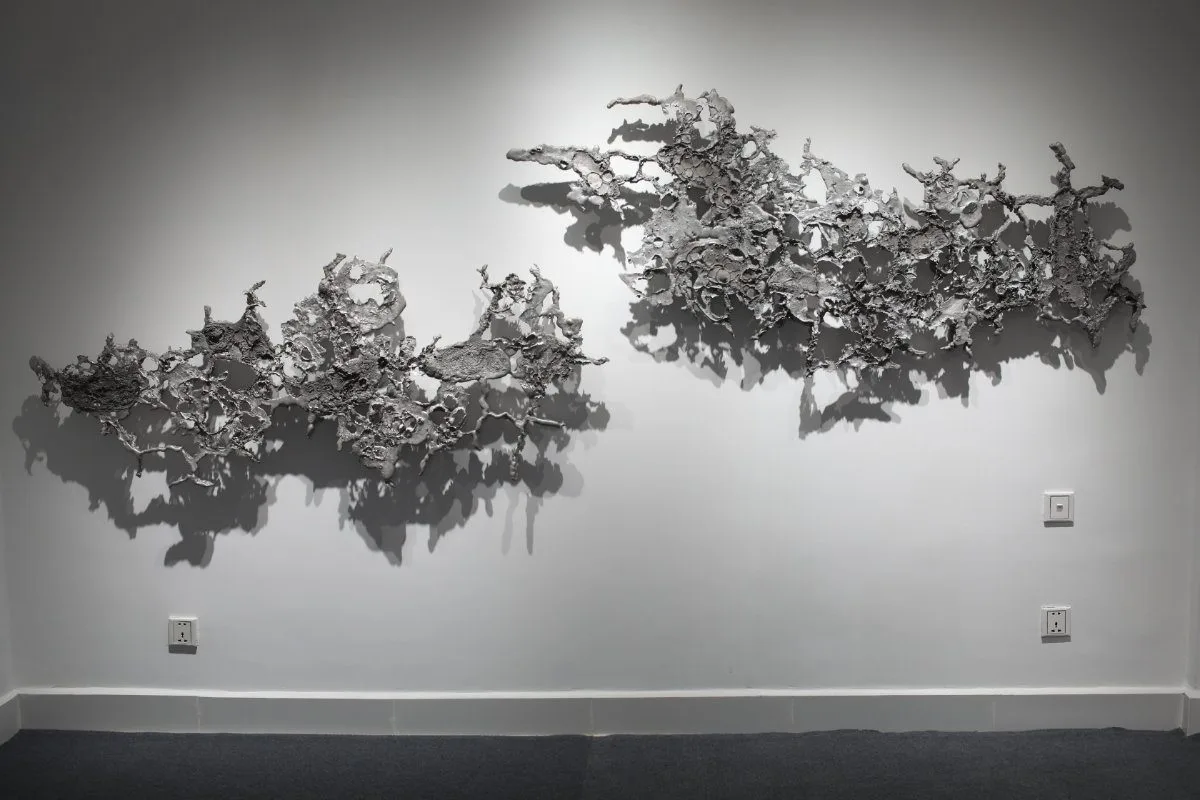
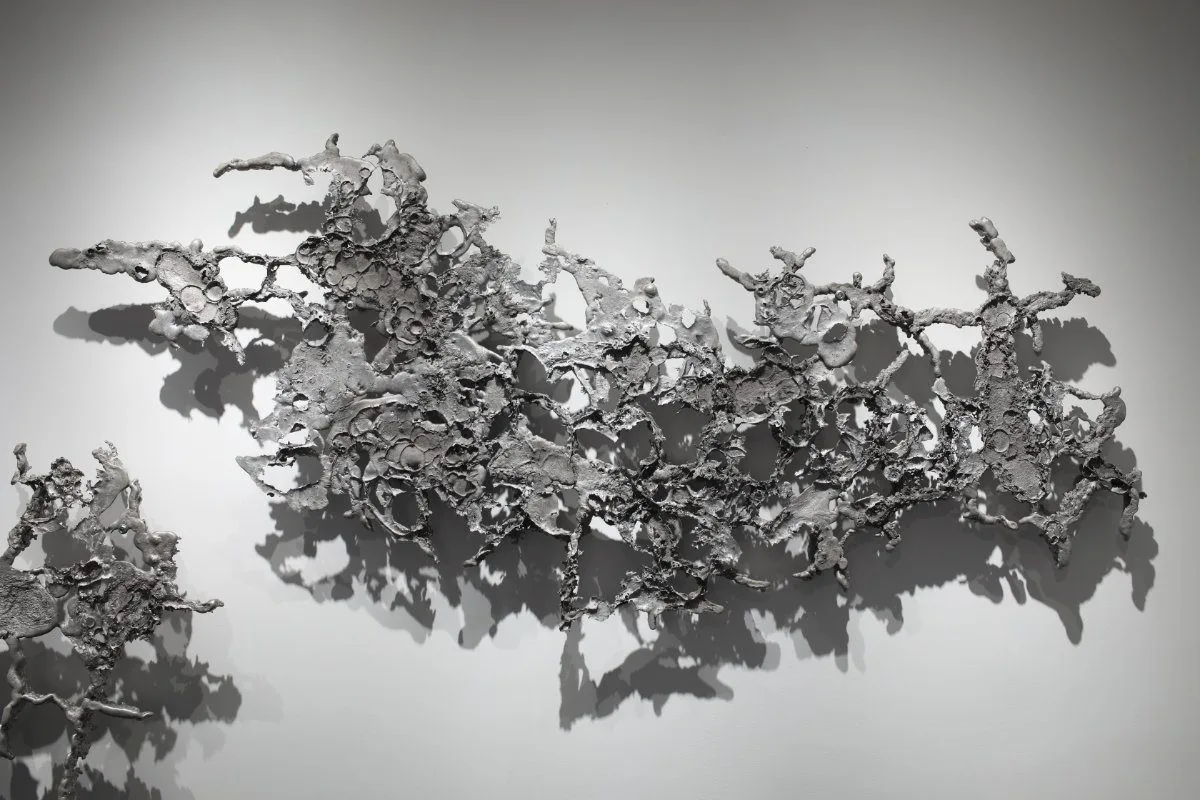
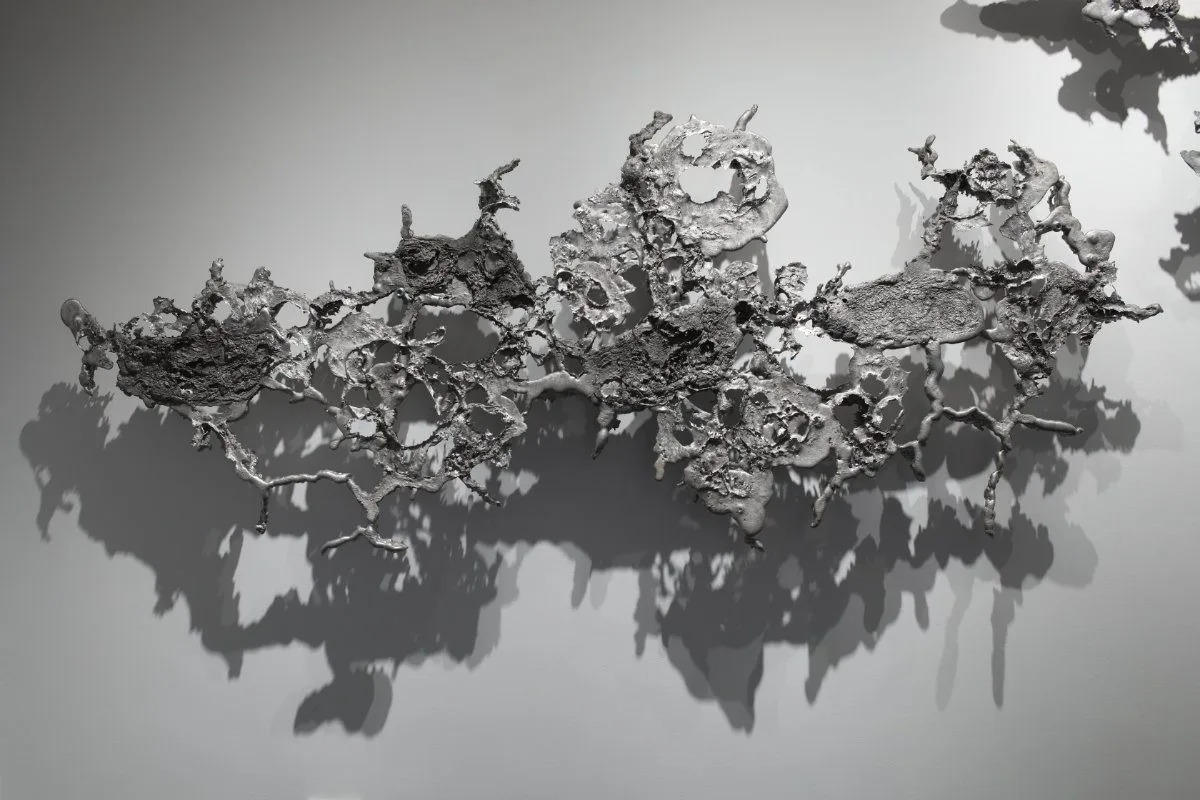

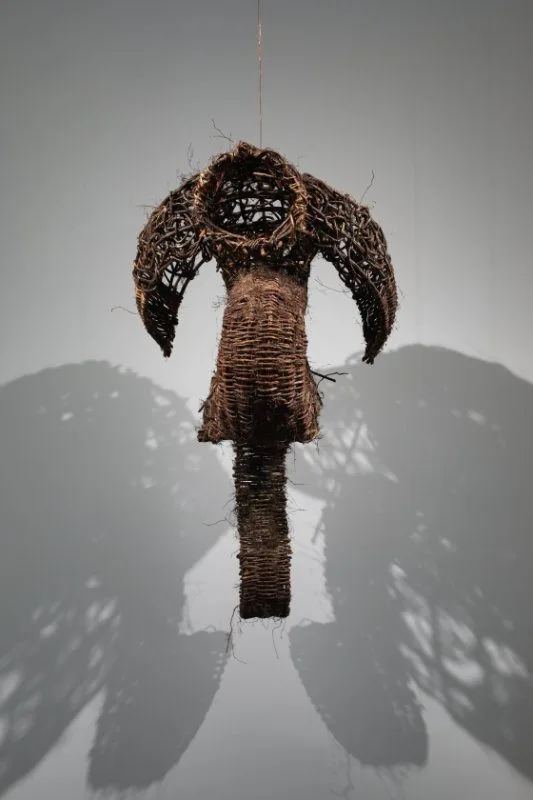
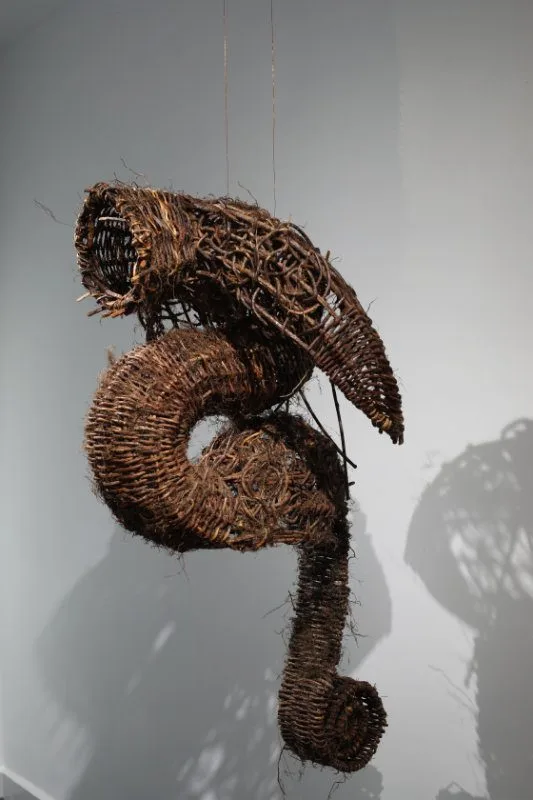
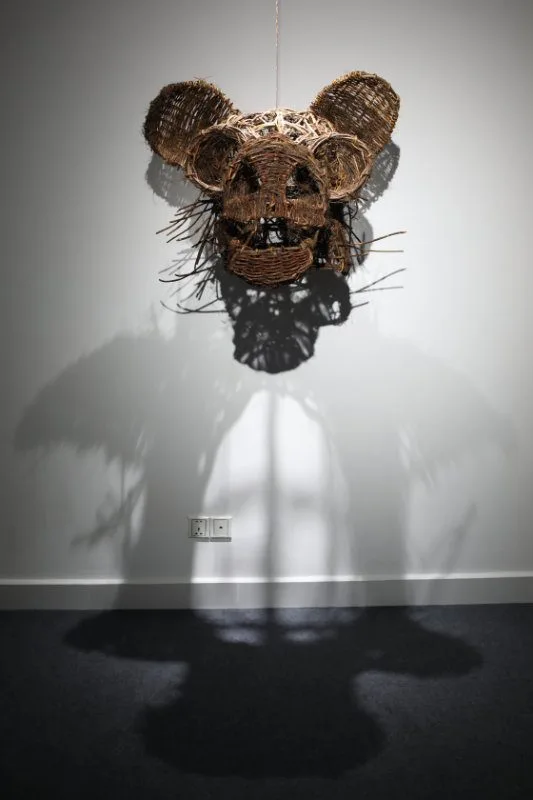
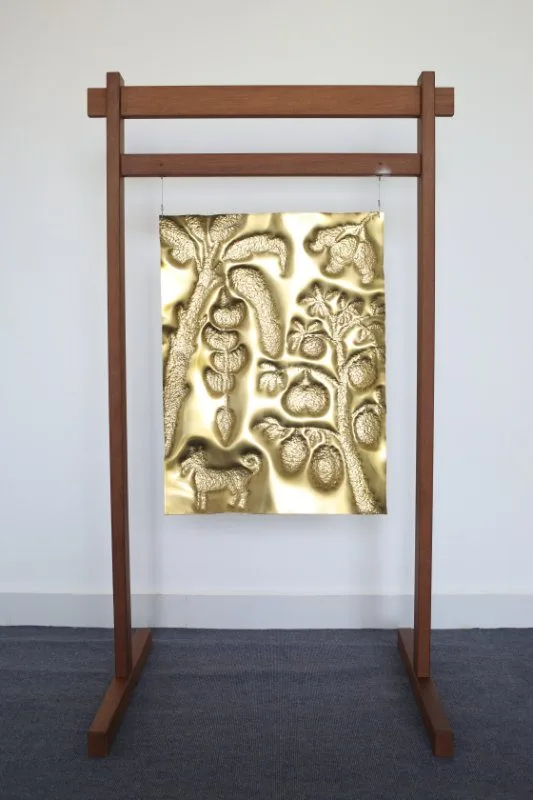
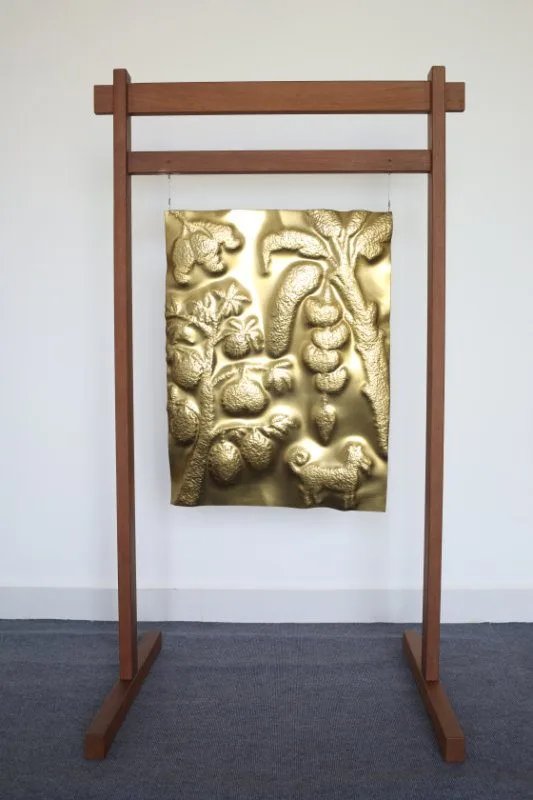

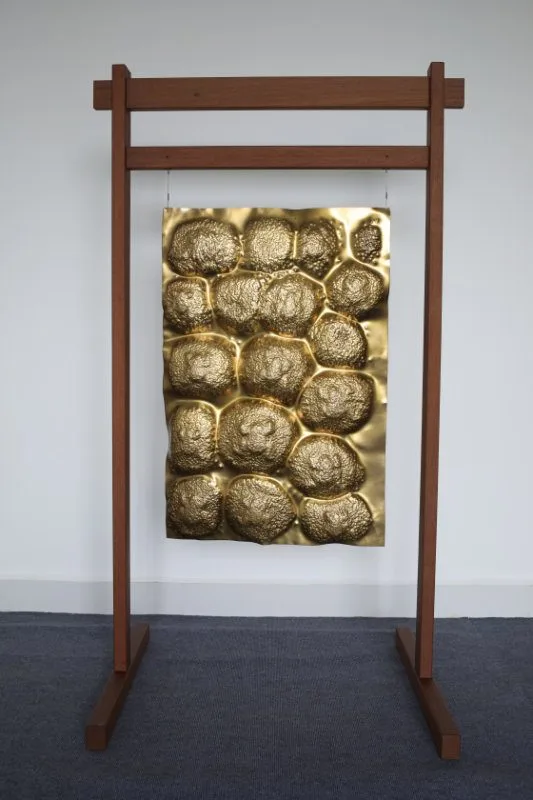
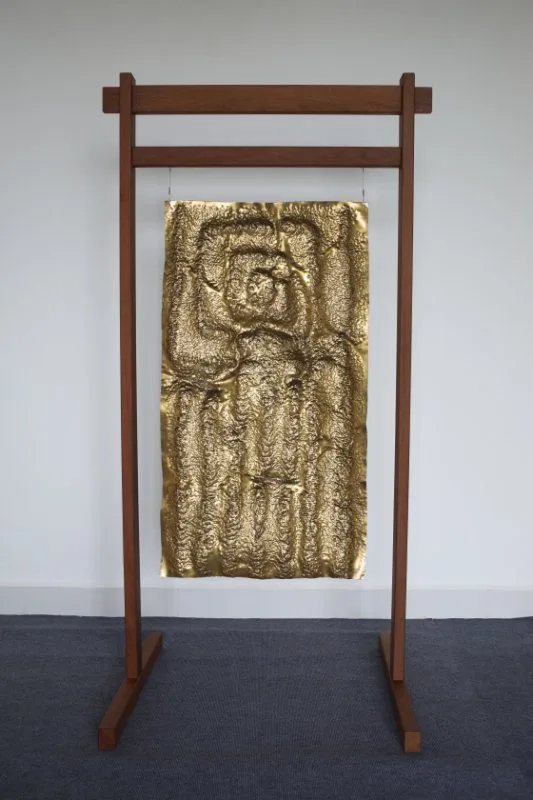
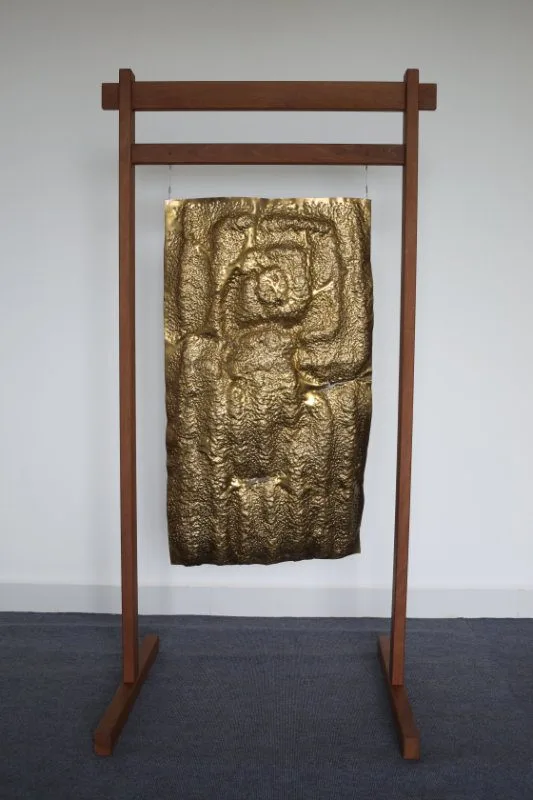

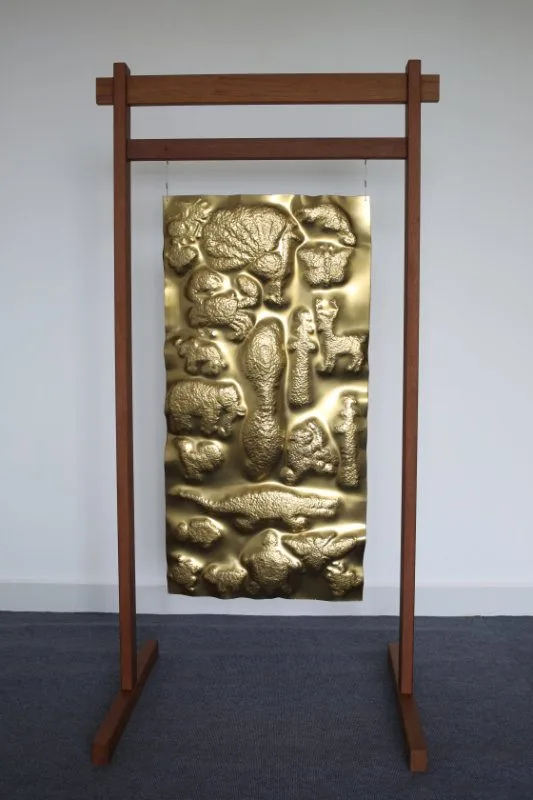
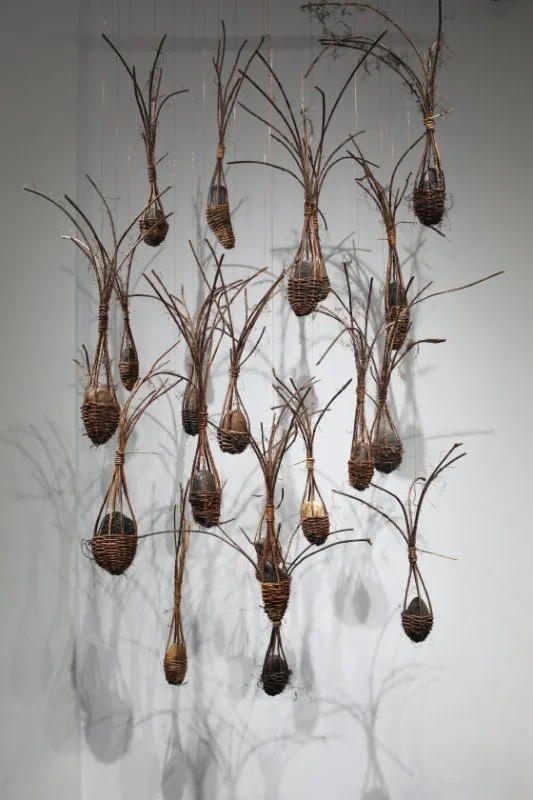
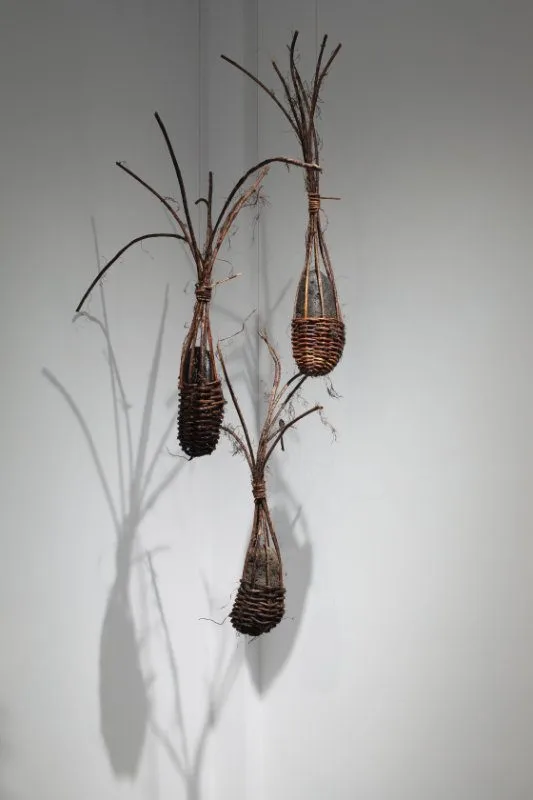
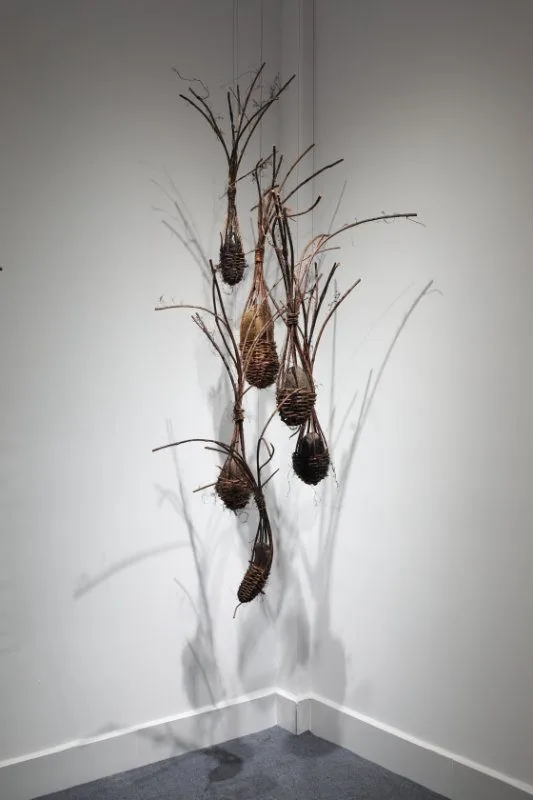
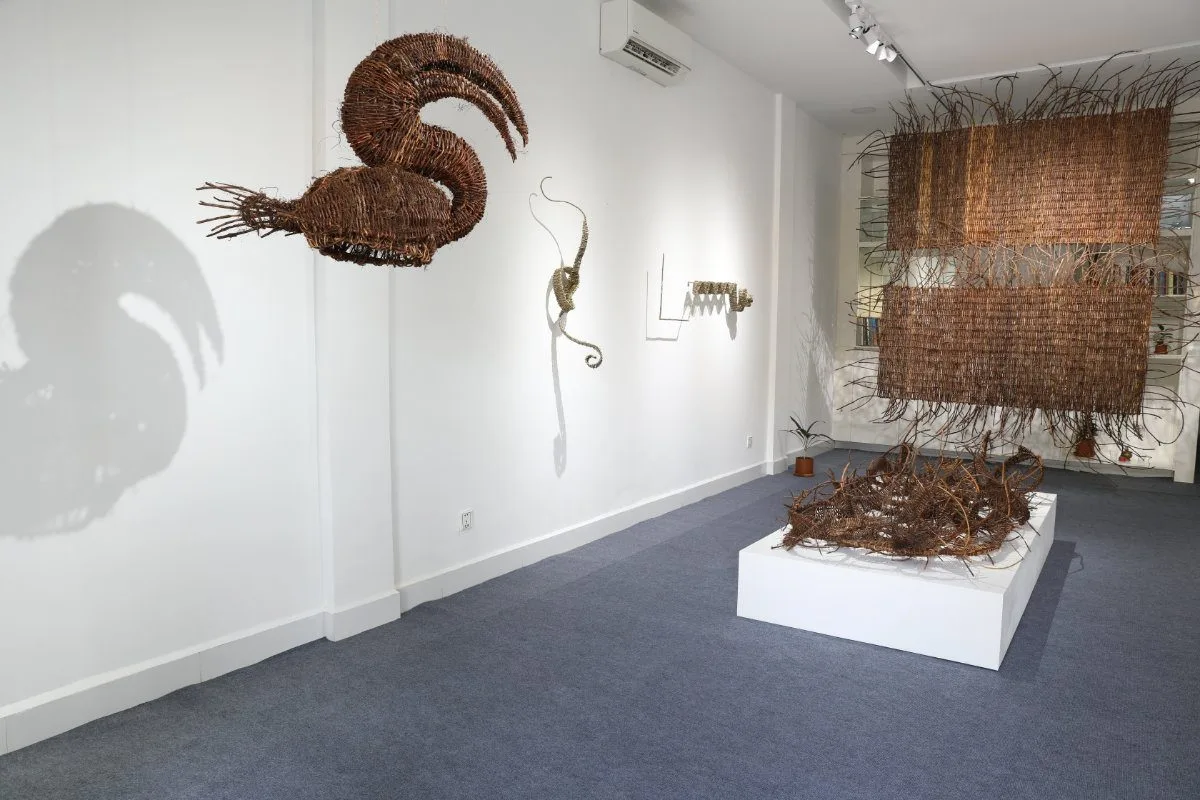
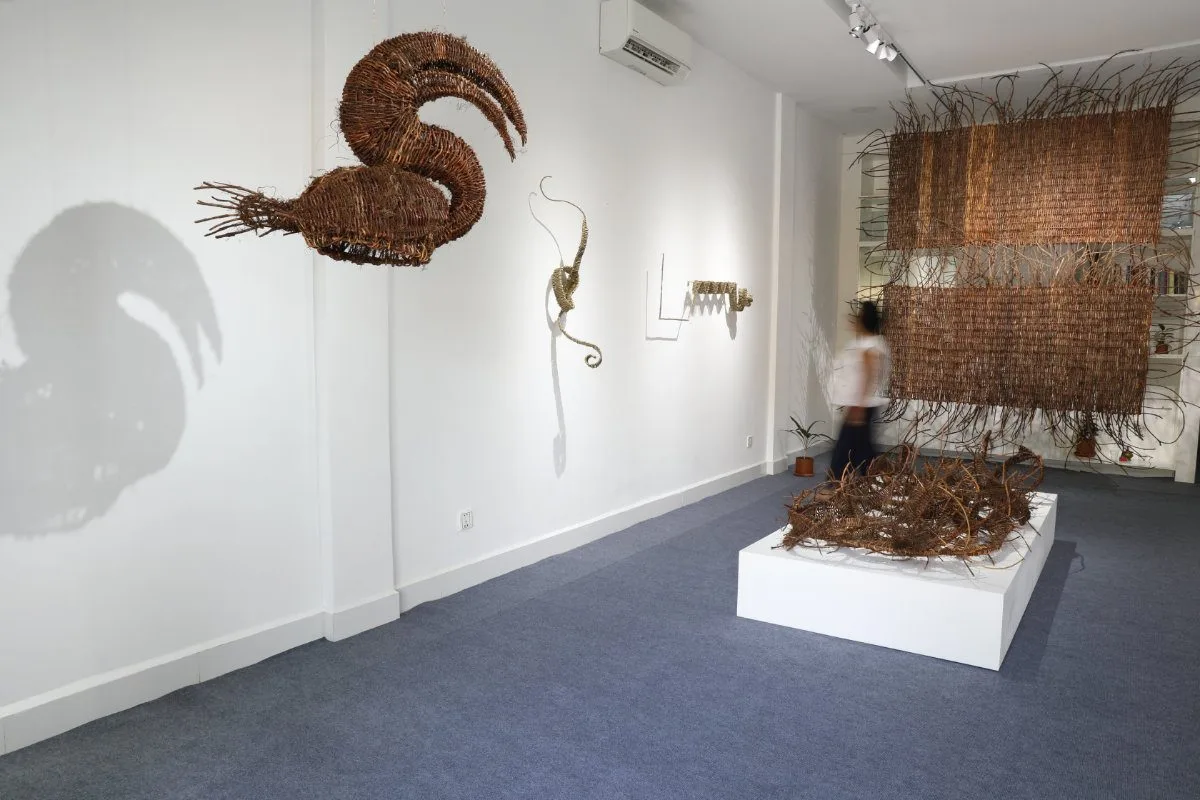
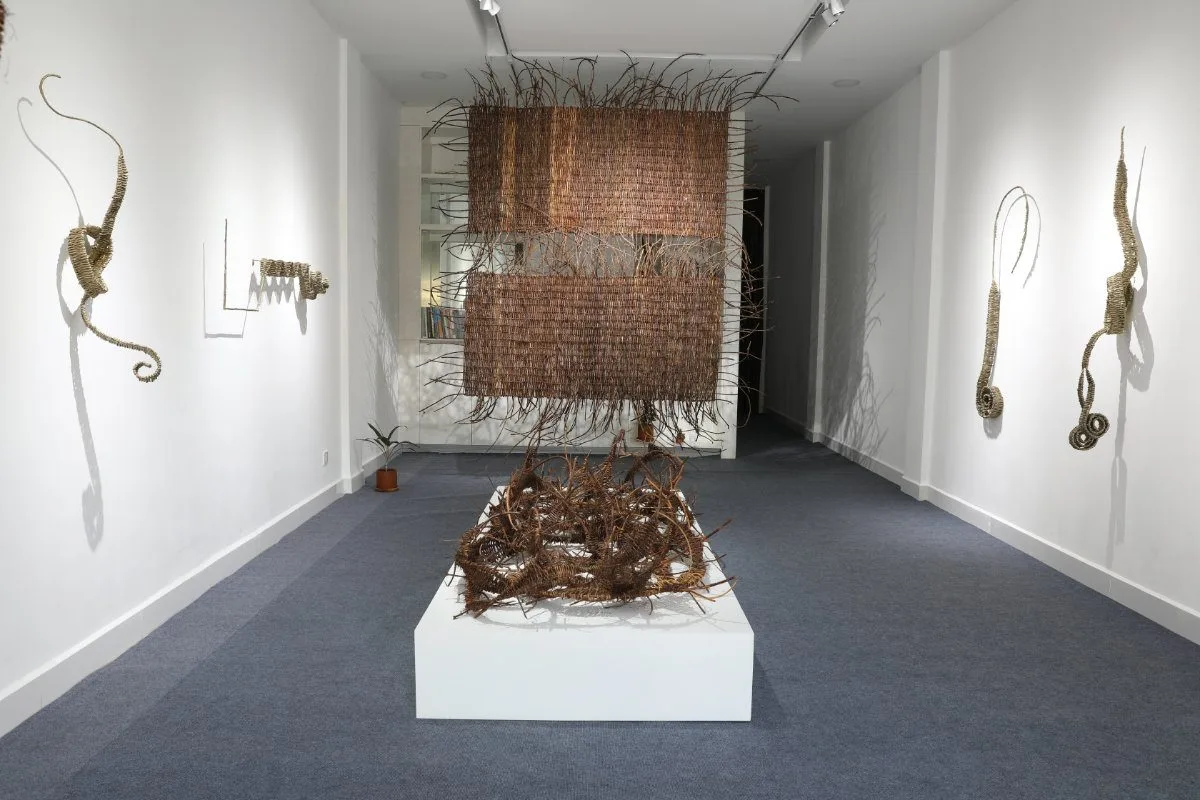

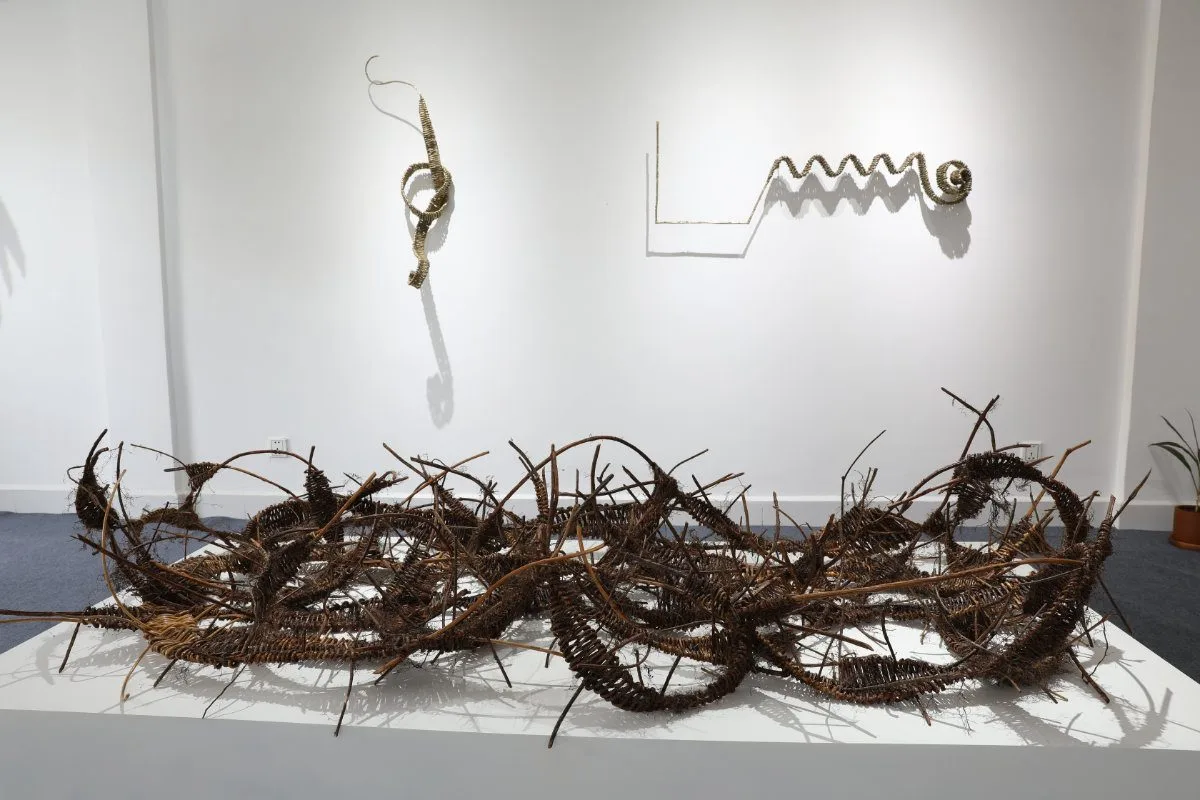
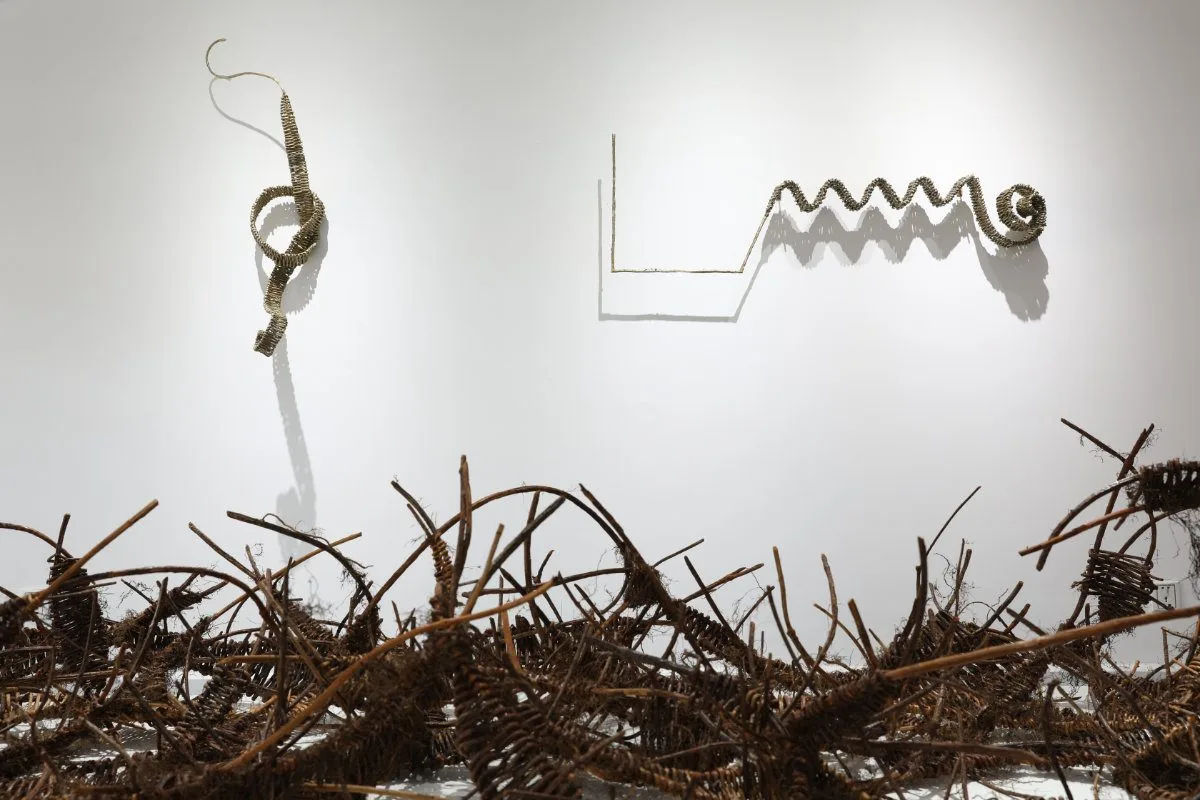

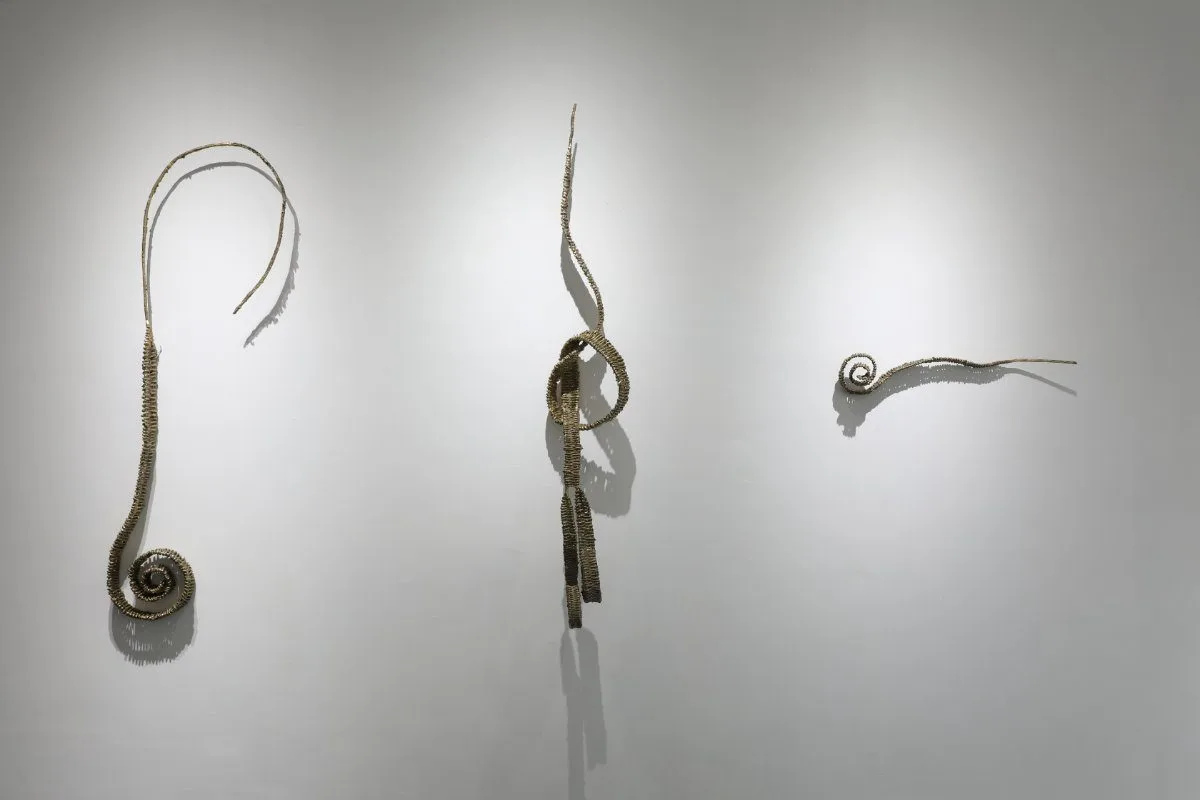
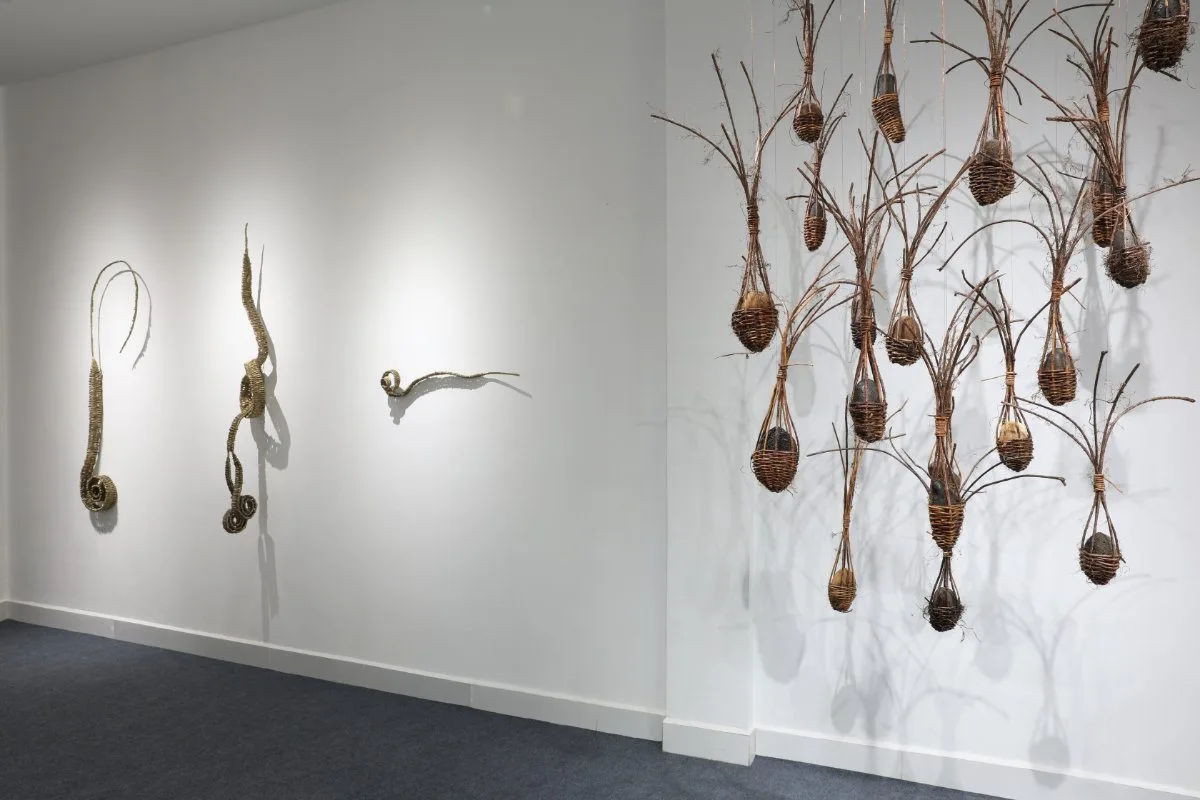
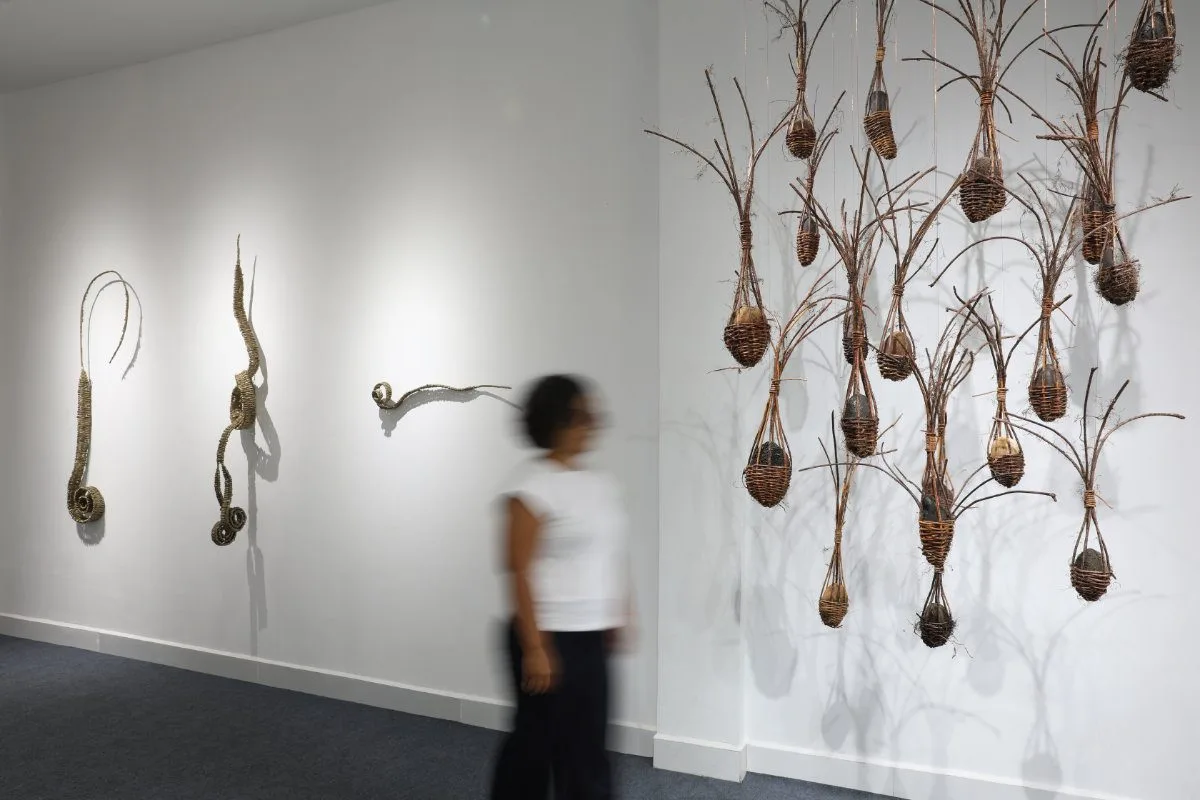


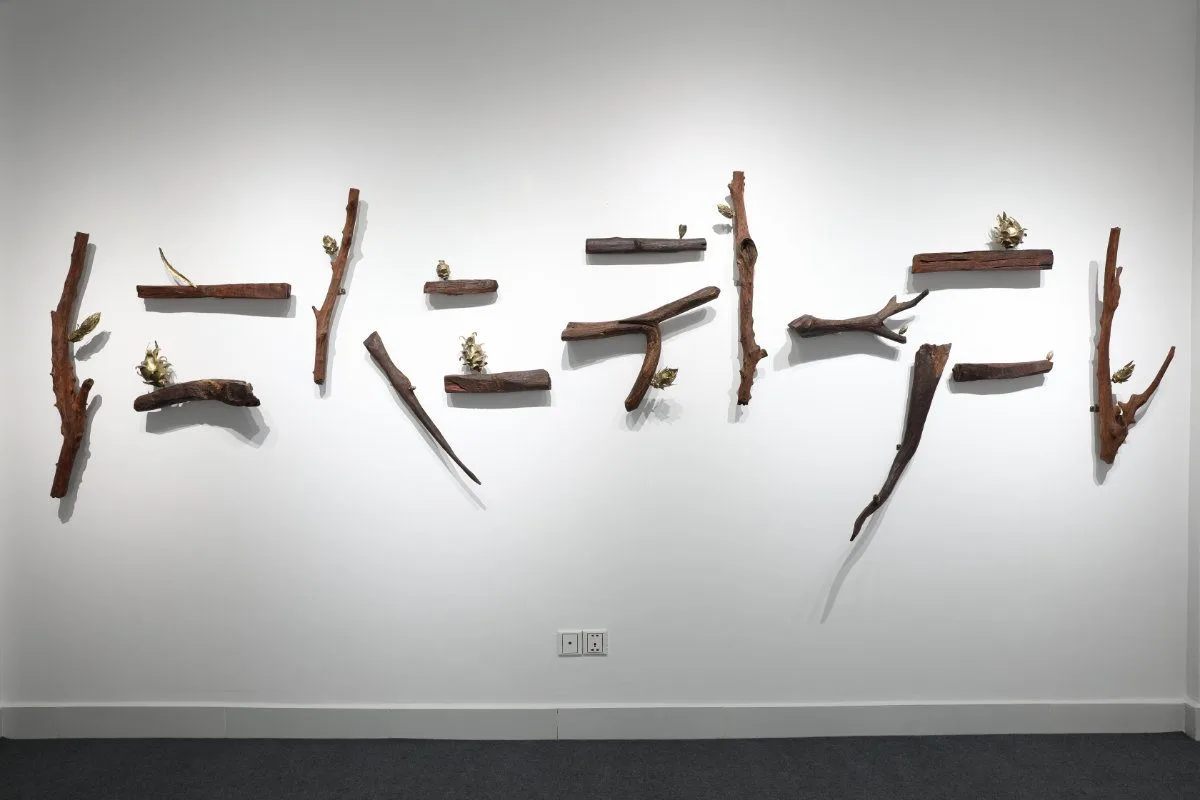


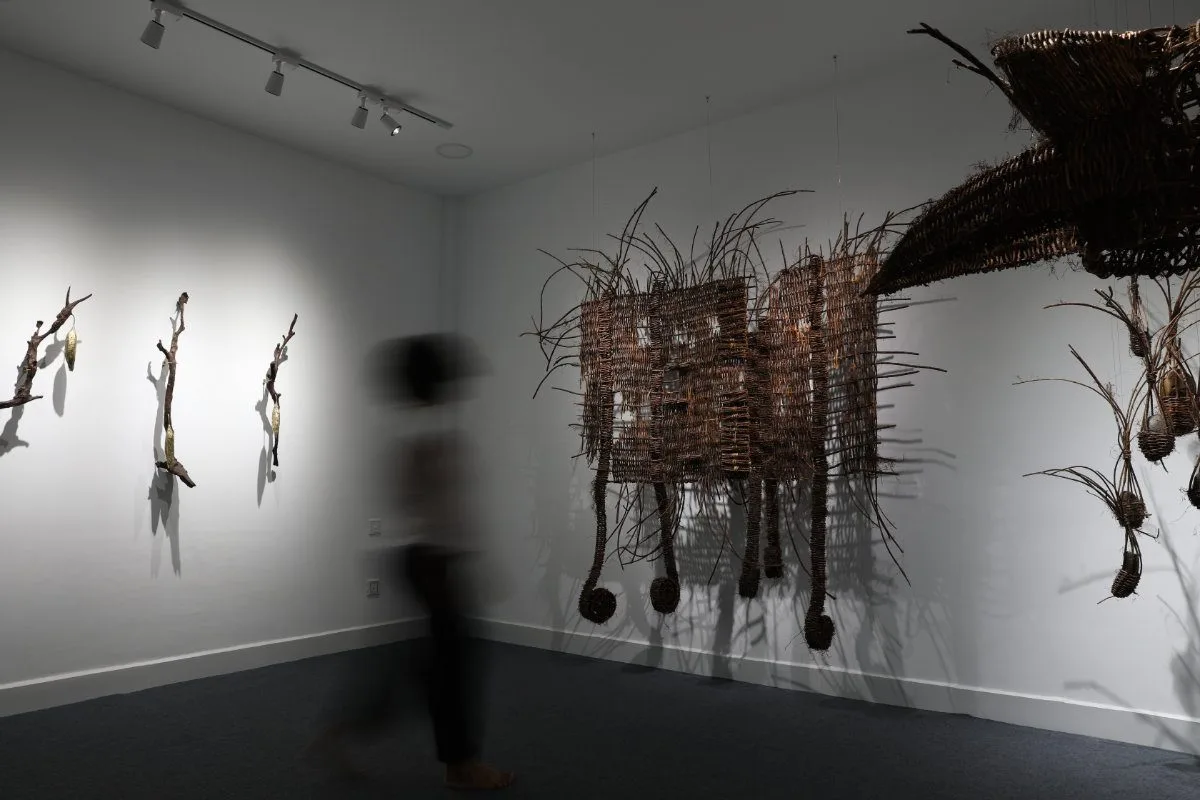


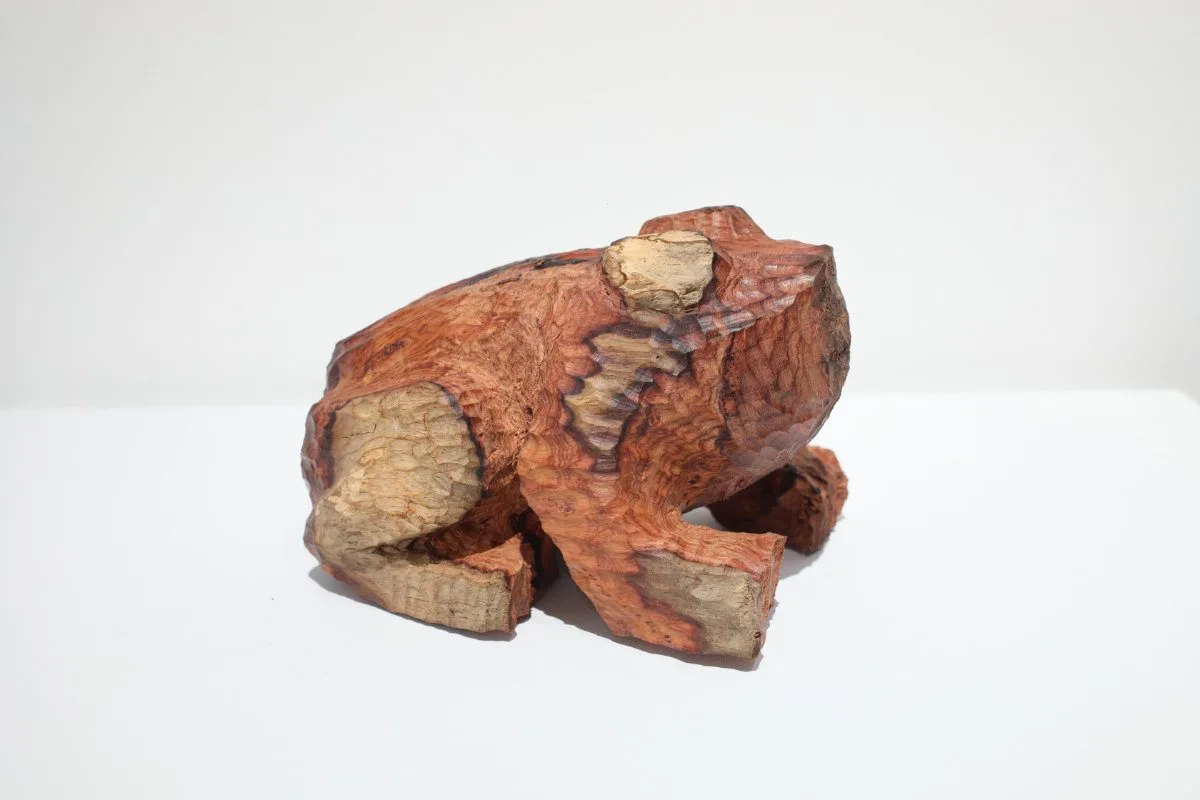

Forest Myth, 2025
- Sculptures
- Installations
- A single channel video
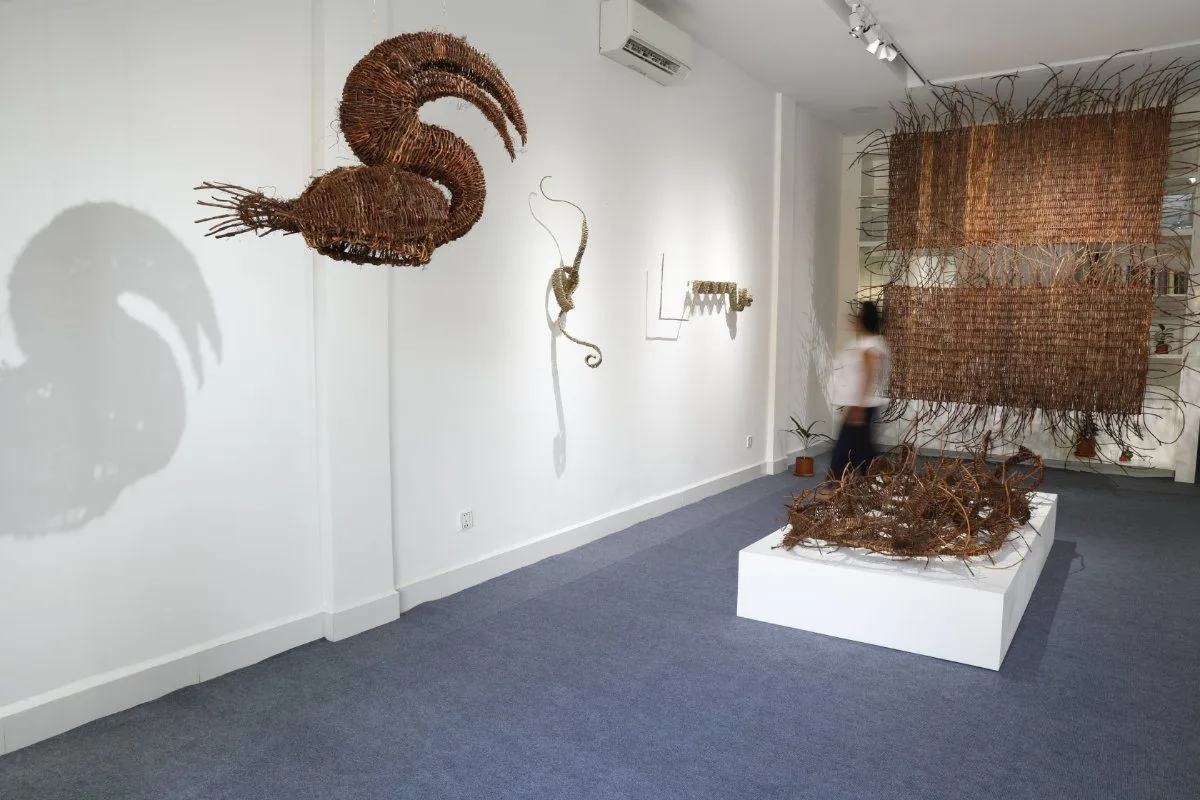
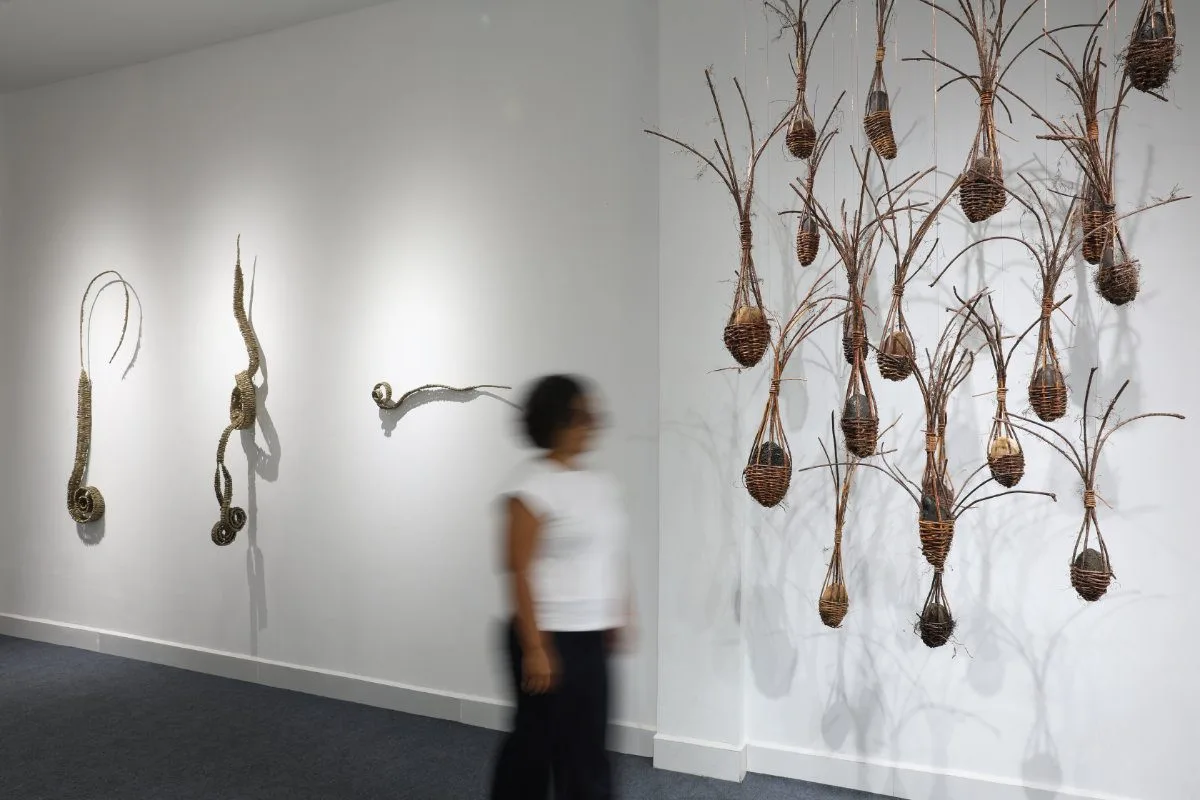
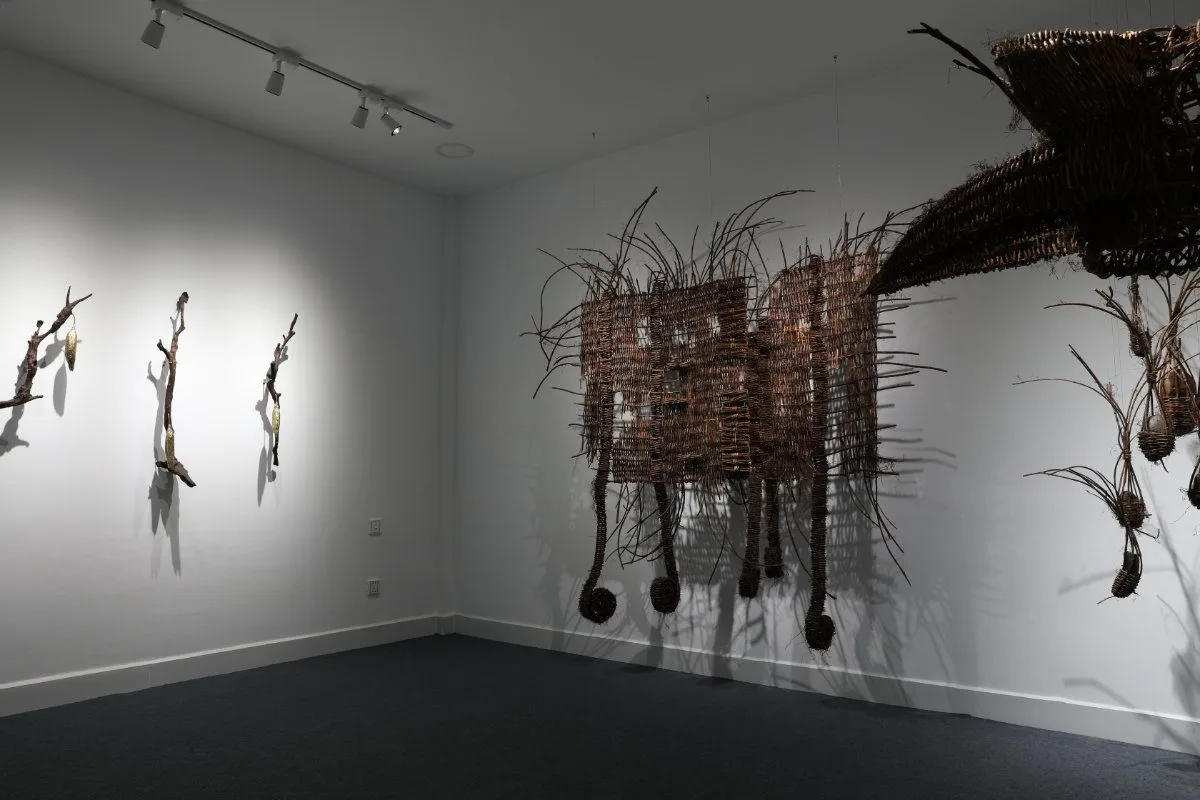
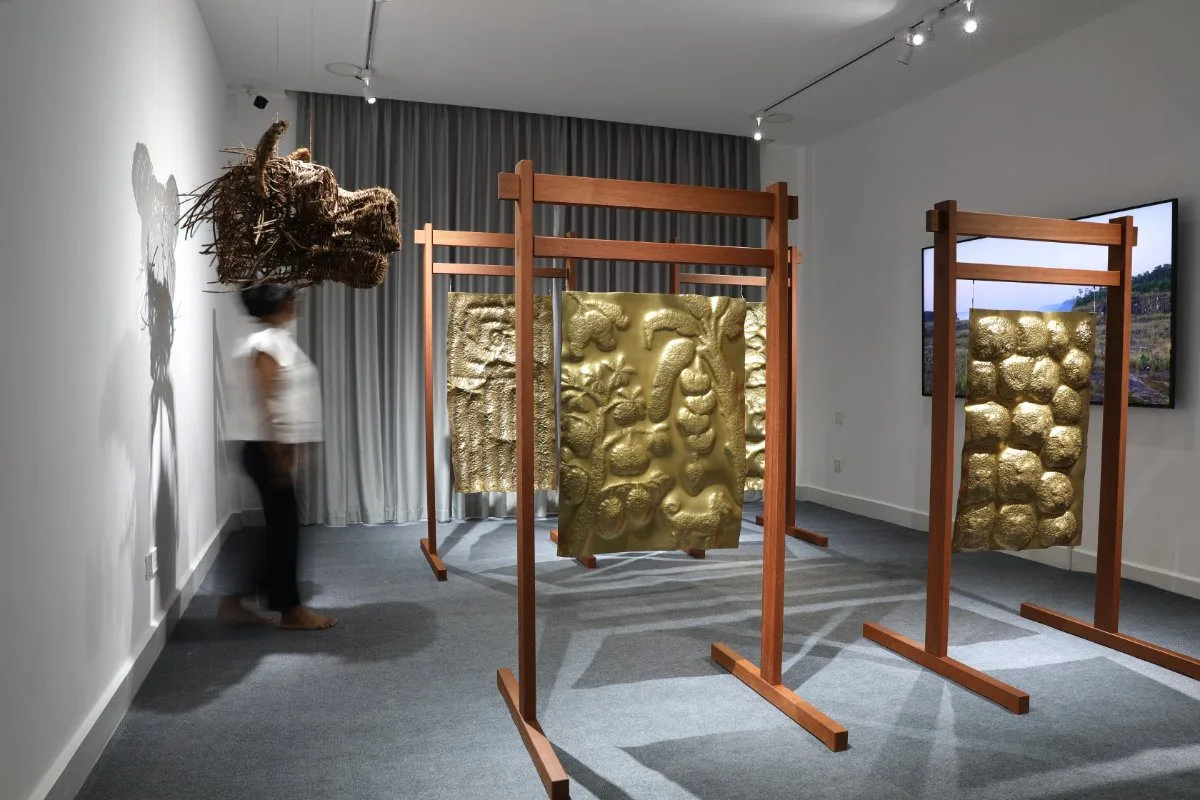
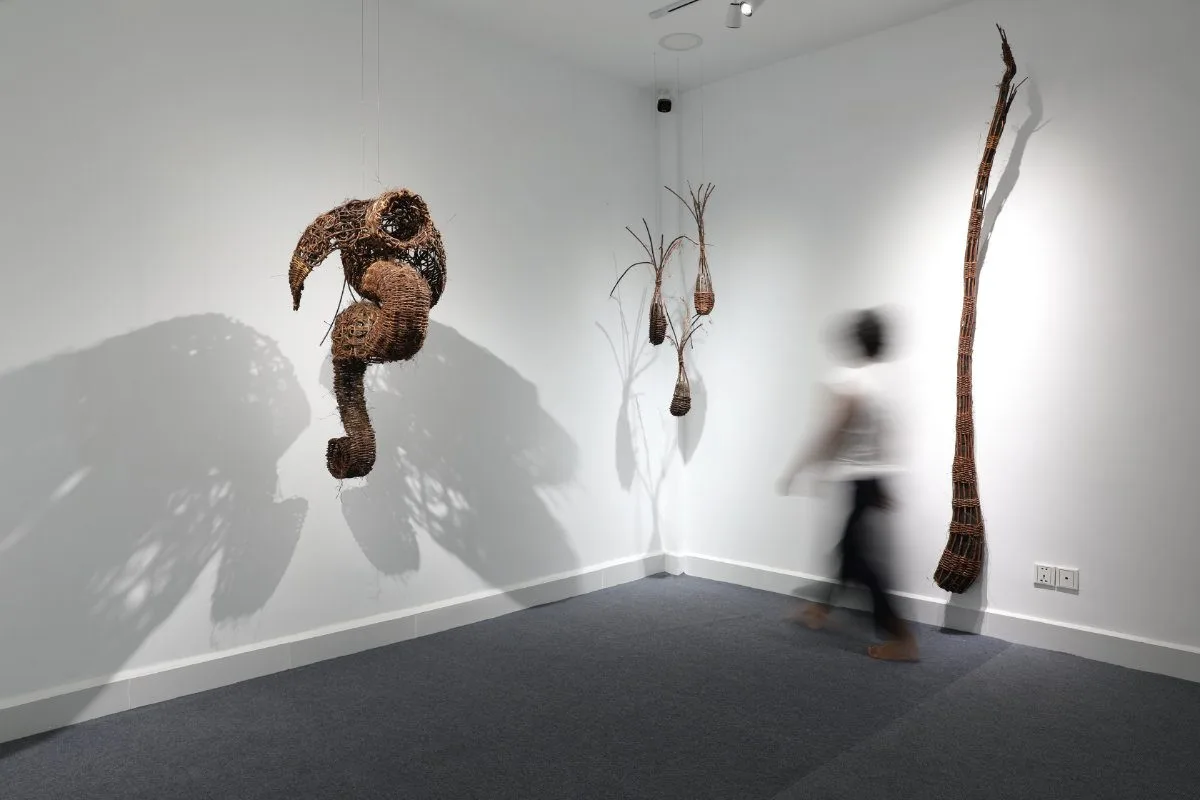
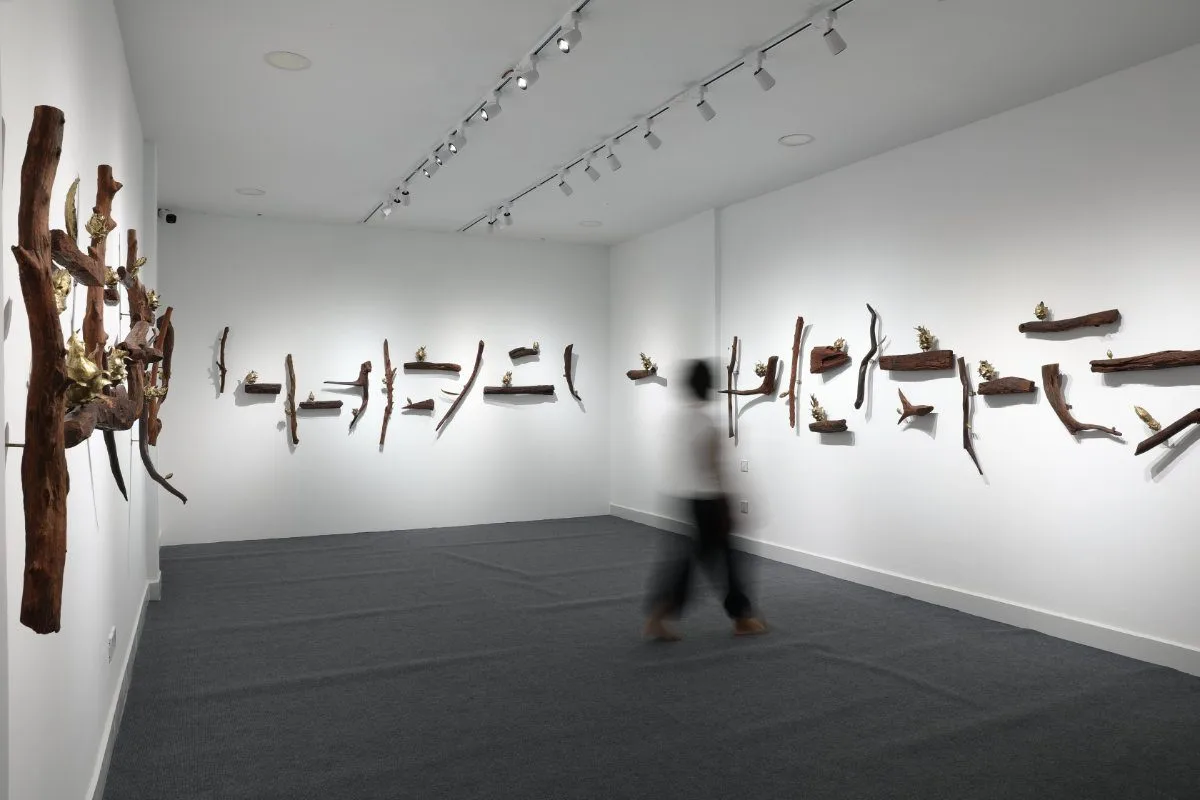
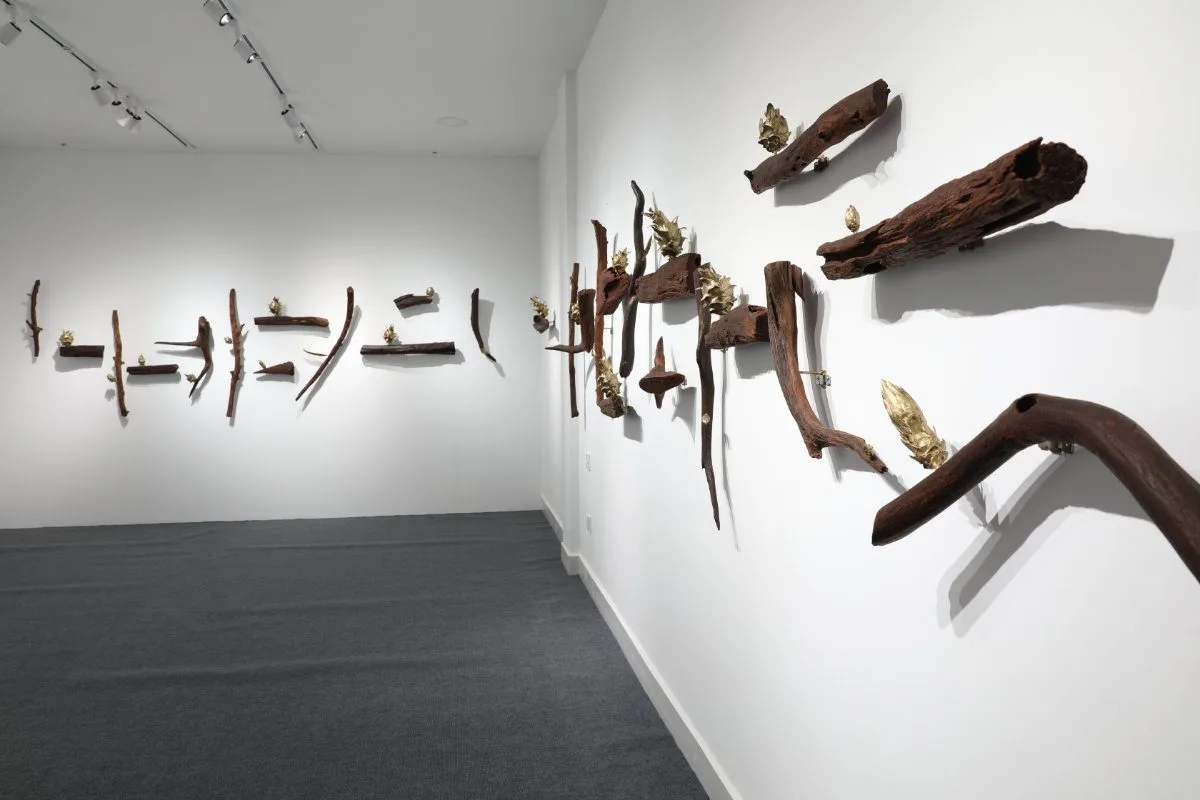
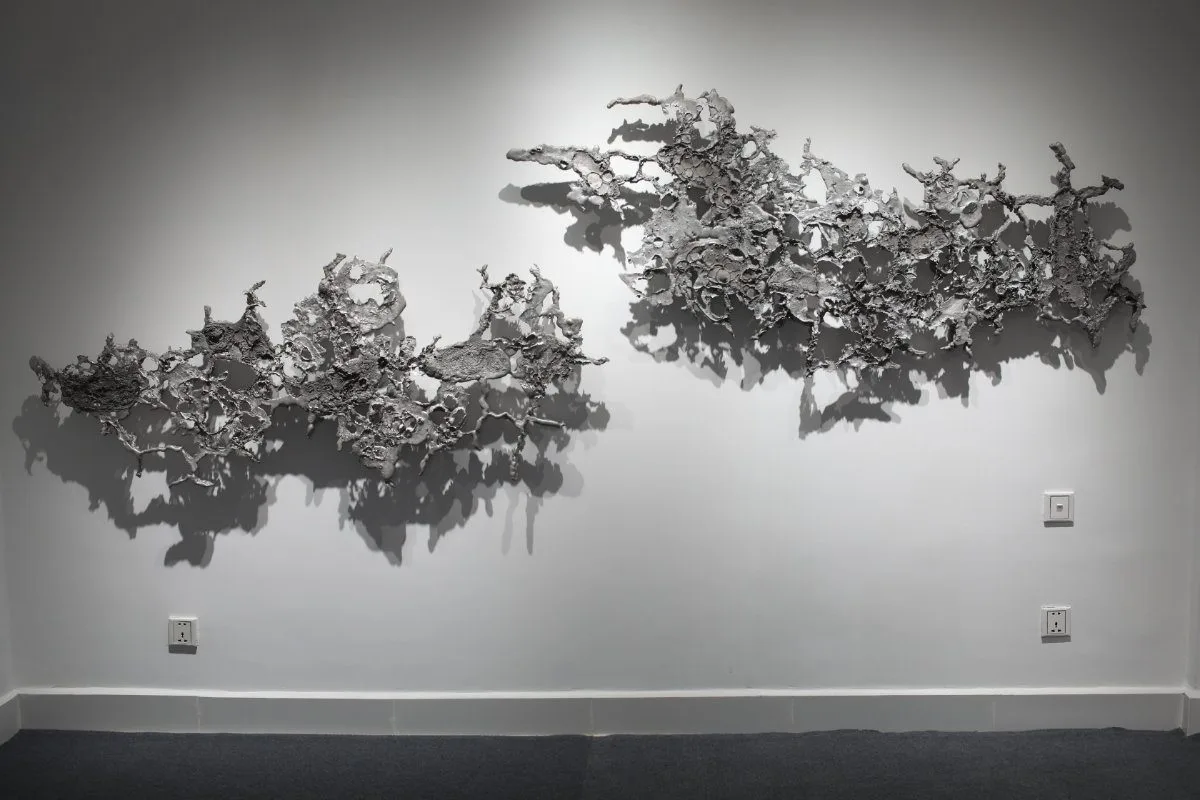
“Forest Myth” is a powerful reflection of the artist’s longstanding engagement with natural environments and cultural beliefs, including the impact of ecological and political forces on these. Samnang presents impactful and though-provoking works in a variety of mediums, including sculptures, installations, and a single channel video, to explore the symbolic and cultural significance of the forest in his artistic vision. What follows is a text from the artist, presented in the form of a fable, which he hopes can open multiple possible ways of reading the work.
For a long time, there was a belief in the existence of a powerful tree, called a “Real Tree”. If anyone ate its fruit, they would live forever. When a group of young boys heard about this myth, they set out to find the tree. After preparing food, they began their journey to a distant mountain. As the days passed, the journey became more and more difficult: theroad was long, the heat of the sun was constantly increasing, and there was no water to drink. This discouraged the boys. Along the way, they passed many crossroads, and some decided to turn left, while some turned right, and some turned back and returned home. Only a small group about five or six people decided to continue their journey.
Soon, they reached a mountain full of dense trees. They were very happy with their arrival. There was shade from the big trees and clear water: this was a place to enjoy. After resting and swimming happily, they did not hesitate and split up to find the “Real Tree,”but no matter how hard they searched—up and down, turning left and right—they could not find it. They met again, discussed it again, and asked: Does anyone know what the “Real Tree” looks like? What do the fruits, leaves, flowers, and plants look like? Nobody could answer! They looked at each other, feeling hopeless!!! Exhausted and almost out of food, they decided to return to their village.
Suddenly, a flock of birds chirped loudly, flying over the heads of the young boys. Out of nowhere, something fell on the head of one of the boys. Hearing this, the others laughed at the boy, thinking it was the feces of those birds. But no—it was a seed of the national treasure! The seed was black, and very shiny. Everyone was surprised and asked each other, did anyone know what it was? Why was it so strange? They looked at it one by one to examine it. One boy thought it was this tree, another thought it was that tree—they were unable to recognize what kind of tree it was. They thought it was special, and they took it with them. They agreed they should rest to regain their strength—tomorrow morning they would return to their village.
Their return was very tiring and they felt hopeless, having been unable to find the “Real Tree” as they had wanted, and bringing back nothing but this strange seed. On the way back, they saw a deserted place—the land was barren, there was not even a blade of grass—and they decided to take the seed and plant it there. They took turns watering it regularly. Soon, the seed sprouted a green shoot, which took deep roots: the tree was not lazy, and day after day, it tried to penetrate the hard soil under the sun until it became a full-fledged tree.
The tree was not tall, but its roots went deep, and it was full of branches and thick leaves. Soon, everything changed—around the tree, there was greenery, and there was enough water for crabs, snails, cows, buffalos, and birds to enjoy it happily. The tree was very healthy because the many insects—some visible, some not—which worked together to take care of it. The young boys also named it the “Real Tree.”
But there was not much joy. One day, a fierce thunderstorm blew hard. No matter how hard the tree had tried to put down its roots, it could not withstand the storm. Finally, it fell down and died. A year later, however, the vast field suddenly sprouted new green buds. They were the new buds that grew from the real seeds! Because before it fell, the real tree was very smart—it tried to produce many flowers and fruits all over its branches. And the storm helped blow those seeds to spread all over the land. Soon, those green seeds turned into a vast forest, rich in the biodiversity that allows animals, people, and their descendants to live in peace to this day. The villagers changed its name from the “Real Tree” to the “Real Tree Forest.”
Text by Khvay Samnang with Chum Chanveasna
With thanks to Roger Nelson